Landmarks in Baqueira Beret

Sights

The ski area, the medieval villages and the mountain passes of the Val d'Aran — the sights on and off the snow or a short drive.

Where to start

The sights here are the ski area and the valley — the pistes and the Beret plateau, and below them the medieval stone villages with their Romanesque churches, the capital Vielha, and the high Bonaigua pass way. First time here? Start with these three.

Don't miss

The Baqueira Beret ski area

169 km of pistes across three sectors from 1,500 m to 2,610 m — the reason most people come.

Don't miss

Salardú & the villages

Medieval stone villages with Romanesque churches — Salardú, Arties and Bagergue — the valley's off-snow heart.

Don't miss

Port de la Bonaigua

The 2,072 m mountain pass at the head of the valley, and the resort's third ski sector.

Looking further afield? Vielha (~14 km) and the Aigüestortes National Park are the villages and the Bonaigua pass, with Aigüestortes over the ridge — see our day trips.

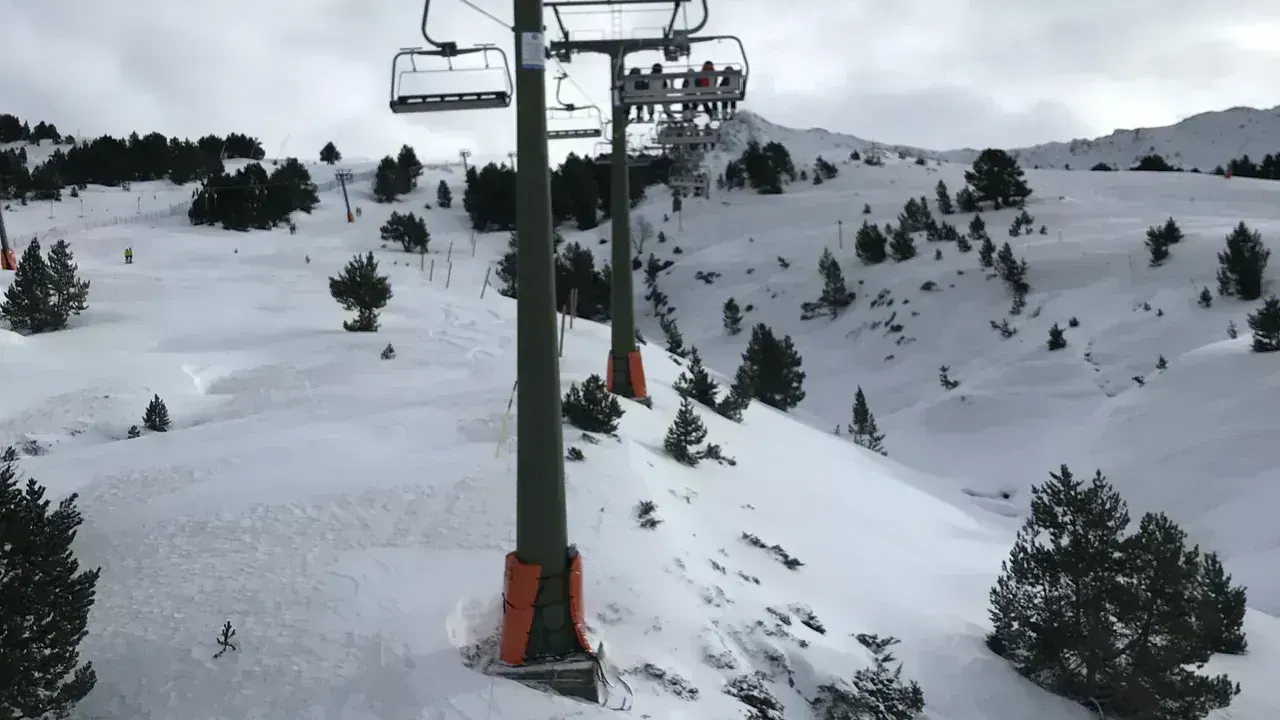
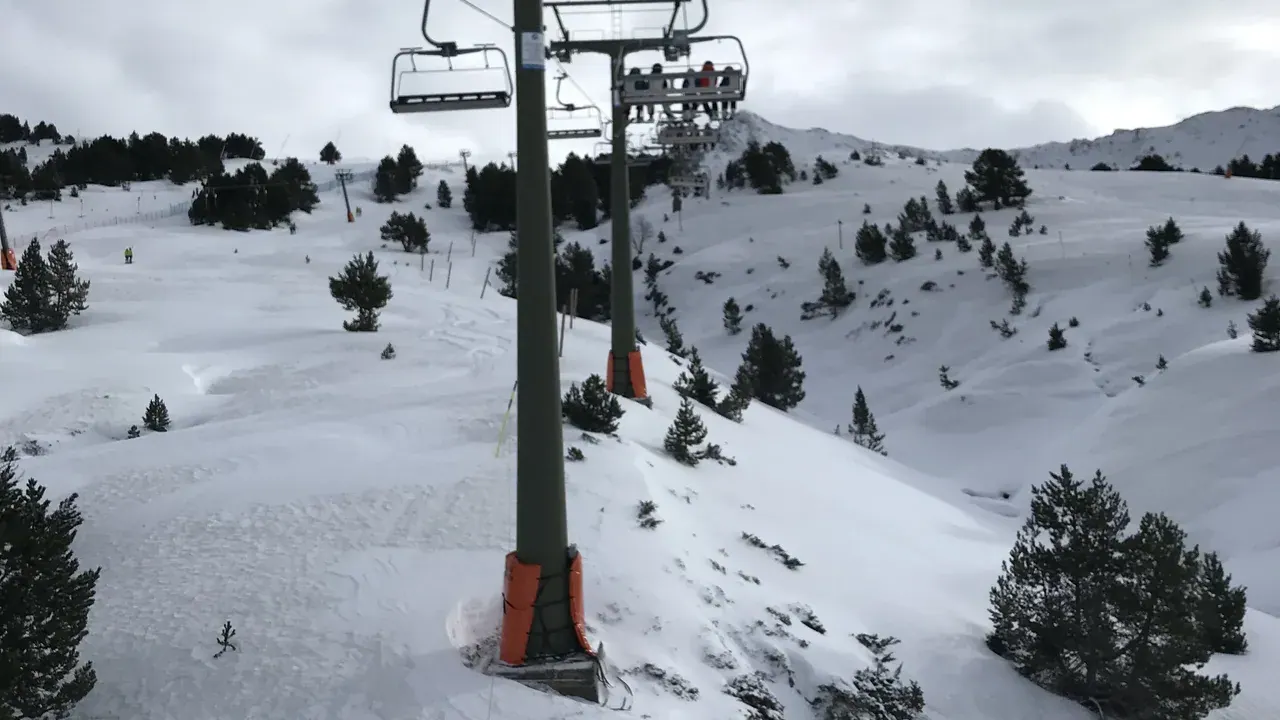
Pistes and chairlifts across the Baqueira Beret ski area beneath the Pyrenees peaks
Opened 1964

Baqueira Beret Ski Area

Baqueira Beret is one of Spain's largest ski resorts and its most prestigious — 169 km of pistes strung across three linked sectors (Baqueira, Beret and Bonaigua) high in the Val d'Aran, on the northern, Atlantic-facing side of the Pyrenees where the snow falls deepest and lasts longest.

The resort itself — village base at 1,500 m·A full ski day, or a whole trip
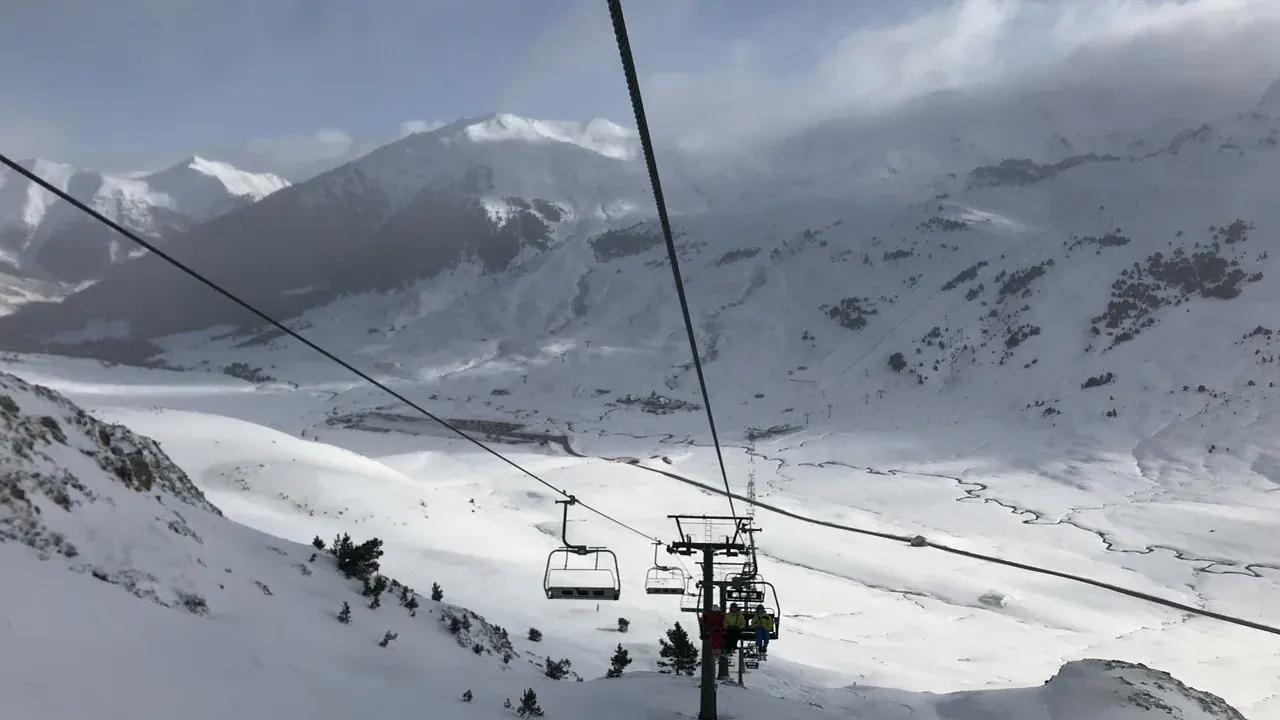
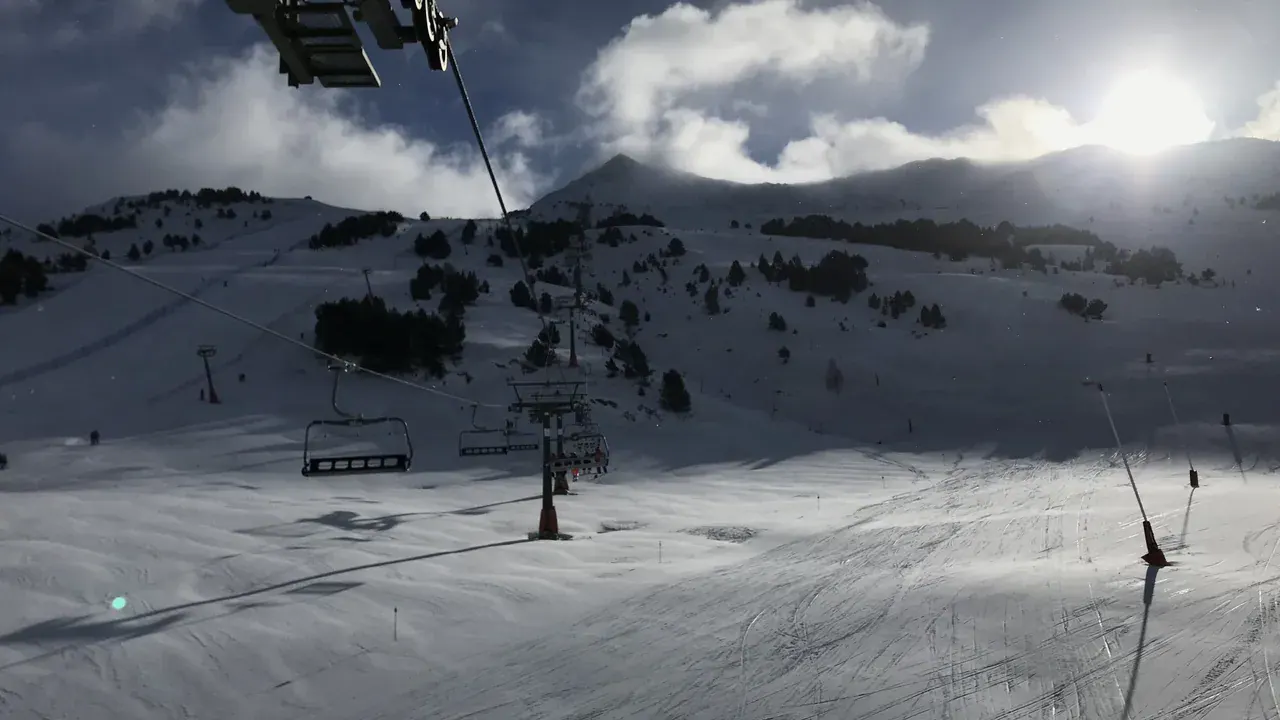
A chairlift above the wide snowfields of Baqueira Beret in the Val d'Aran
High plateau · natural

Beret

Beret is the high, open plateau above Baqueira at around 1,850 m — the resort's sunniest, most snow-sure sector, with wide gentle runs that make it the natural home of beginners, families and cross-country skiers.

≈6 km up the mountain from Baqueira 1500·Half a day to a full day
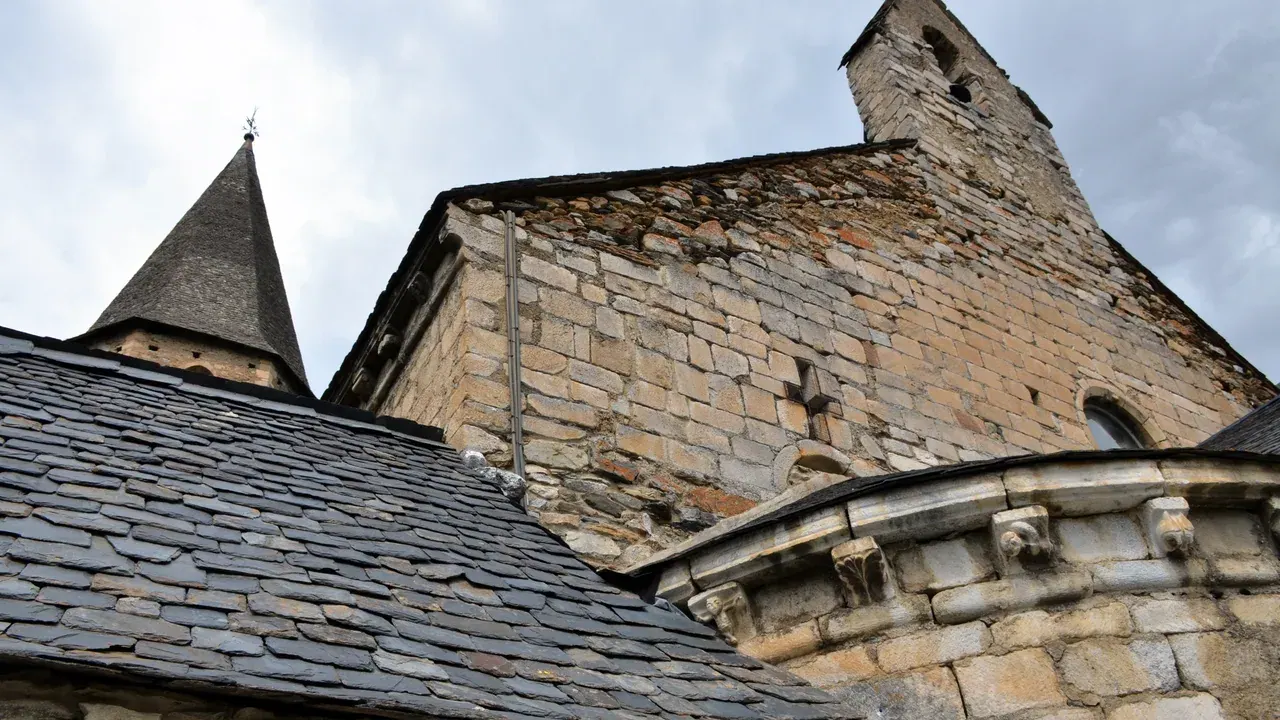
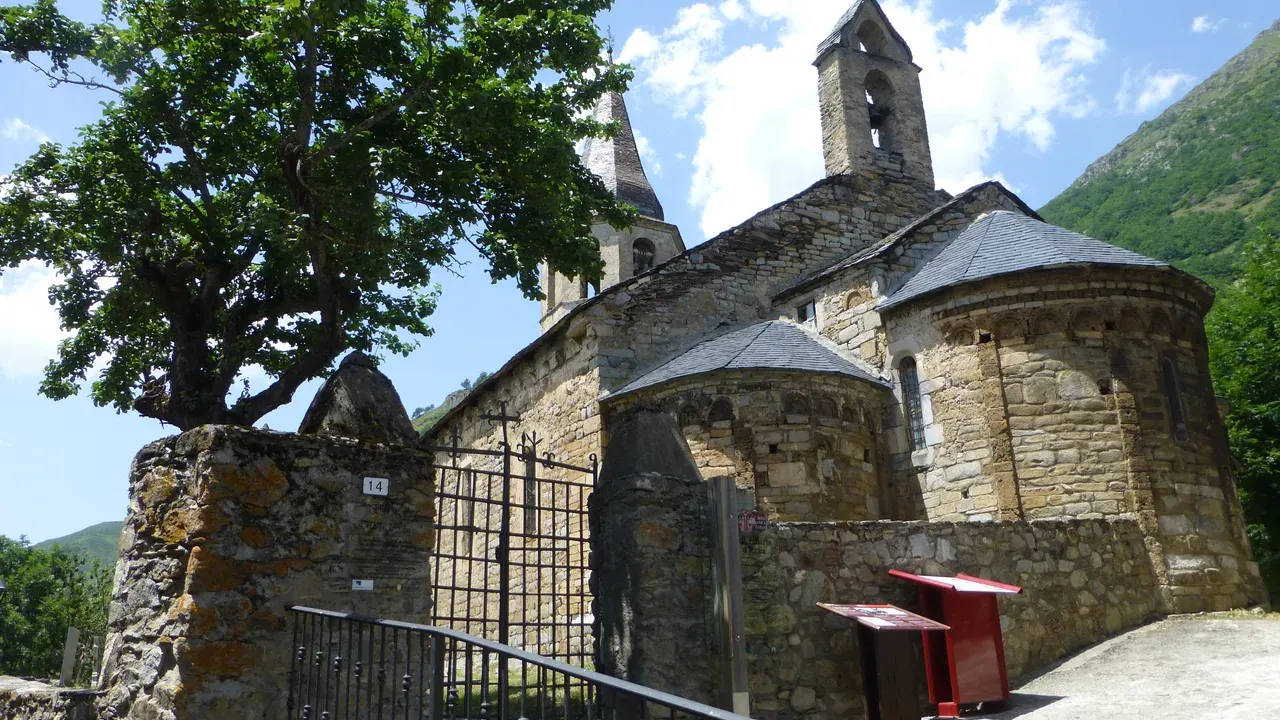
The Romanesque church of Sant Andrèu in Salardú, its stone bell tower above slate roofs
Medieval

Salardú

Salardú is the handsome medieval capital of the Naut Aran (Upper Aran), a cluster of grey-stone houses and slate roofs around one of the finest Romanesque churches in the Pyrenees — and the most characterful of the villages within easy reach of the Baqueira lifts.

≈4 km down-valley from Baqueira·1–2 hours
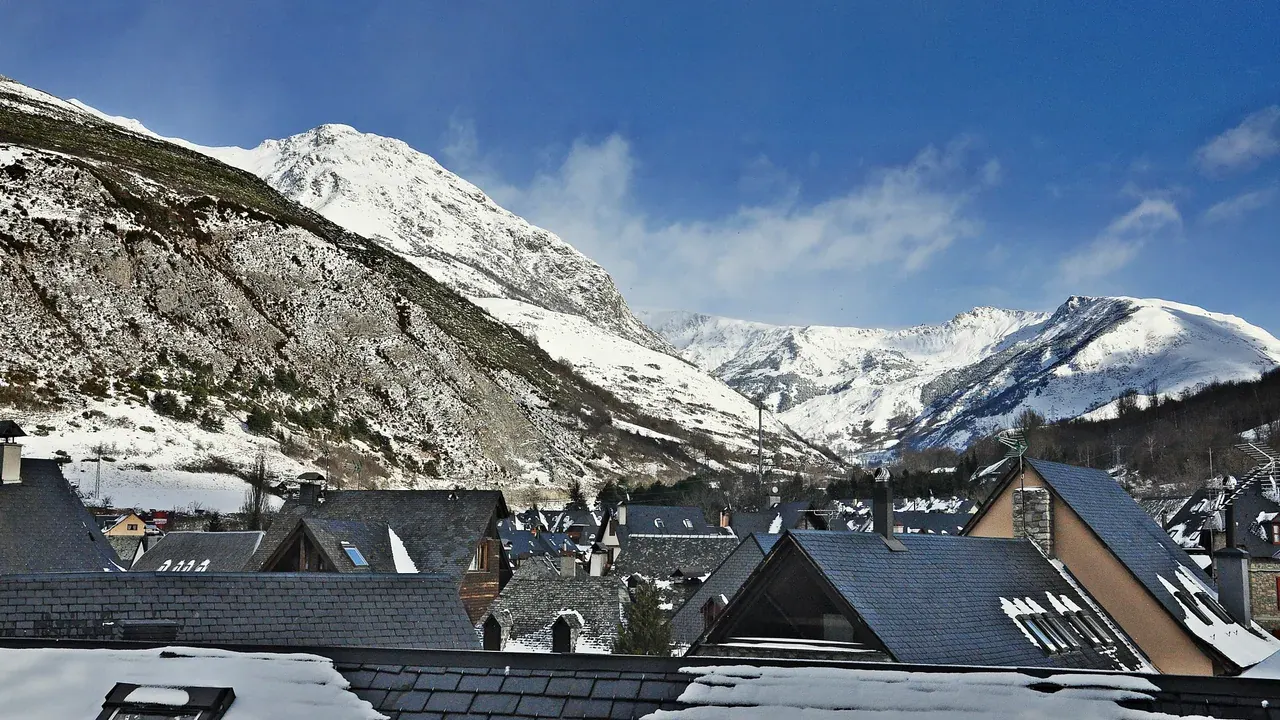
The slate rooftops of Arties beneath the snow-covered Pyrenees
Medieval

Arties

Arties sits where the Garona and Valarties rivers meet, a village of stone houses, Romanesque churches and a reputation for two things: its natural thermal springs and some of the best eating in the valley.

≈7 km down-valley from Baqueira·1–2 hours, or an evening
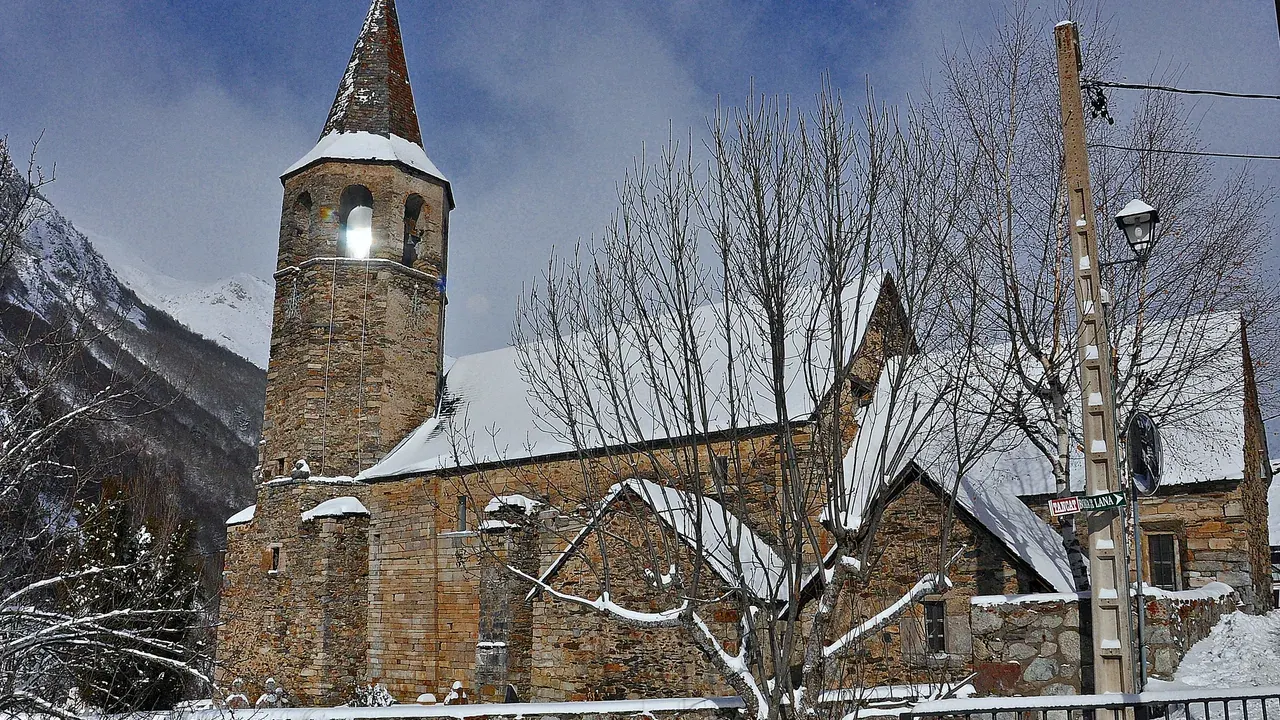
The church of Sant Fèlix in Bagergue under winter snow
Medieval

Bagergue

Bagergue is the highest permanently-inhabited village in the Val d'Aran, a tiny huddle of stone and slate on a shelf above Salardú — repeatedly named among the most beautiful villages in Spain.

≈6 km from Baqueira, above Salardú·About an hour
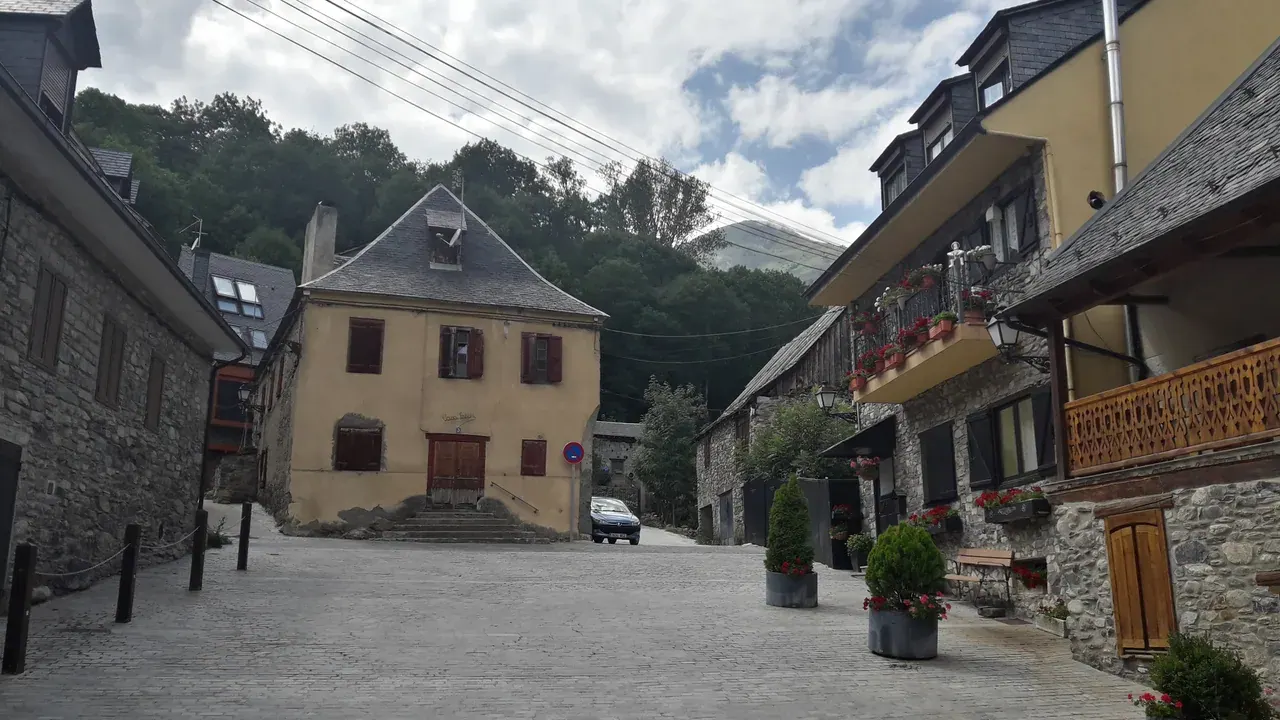
A cobbled square in the Cap dera Vila quarter of Vielha, capital of the Val d'Aran
Medieval

Vielha

Vielha, at 974 m, is the capital of the Val d'Aran — the valley's largest town and its services hub, with shops, restaurants, the Aran museum and the Romanesque church of Sant Miquéu at its heart.

≈14 km down-valley from Baqueira·2–3 hours
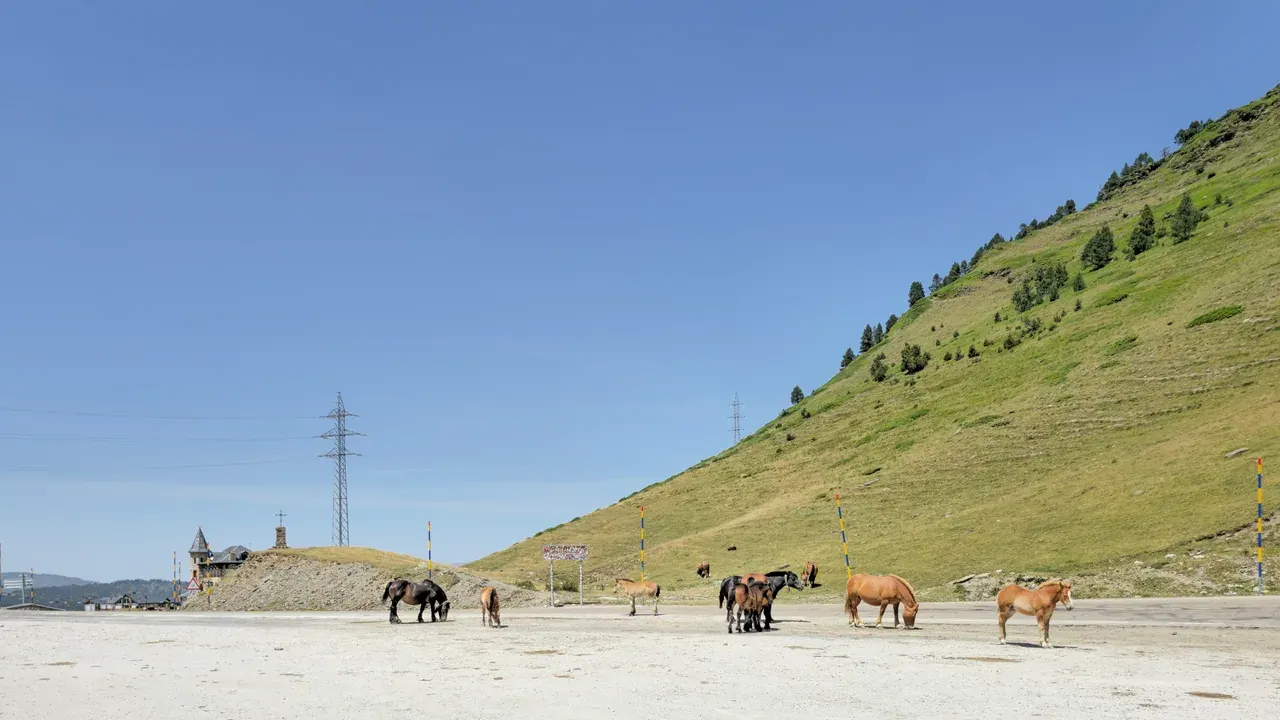
Horses grazing at the Port de la Bonaigua pass in summer, with the snow poles still standing
Natural

Port de la Bonaigua

The Port de la Bonaigua is the high mountain pass at 2,072 m that closes off the head of the Val d'Aran to the south — a spectacular, hairpinned road that gives the resort's third ski sector its name and links the valley to the Pallars.

≈8 km southeast of Baqueira on the C-28·A stop of 20–30 minutes, or a cycling/driving climb

Planning Your Days?

Combine the skiing with the villages and a day trip or two — Vielha, Aigüestortes, or over the border into France.

Baqueira Sights — FAQ

What are the must-see sights around Baqueira?+

The ski area itself is the headline, but the Val d'Aran's medieval villages are the sights off the snow: Salardú with its Romanesque Christ of Salardú, Arties with its thermal springs, Bagergue (the valley's highest village), and the capital Vielha. The Port de la Bonaigua pass and the Beret plateau round it out.

Does the Val d'Aran have historic monuments?+

Yes — the valley is dotted with Romanesque churches, the finest being Sant Andreu in Salardú with its 12th-century Christ of Salardú, and Sant Miquéu in Vielha with the Crist de Mijaran. The stone villages themselves are medieval.

What is the Beret plateau?+

Beret is the high, open plateau above Baqueira at around 1,850 m — the resort's sunniest, most snow-sure ski sector, home to the beginner runs and the Nordic circuit, and a genuine continental watershed.

How many days do you need to see the Val d'Aran?+

A day off the pistes covers the villages — Salardú, Arties, Bagergue and Vielha — and the Bonaigua pass. Add more for the Aigüestortes National Park or a trip over the French border.

What is the difference between Baqueira and Vielha?+

Baqueira is the purpose-built ski base at 1,500 m, steps from the lifts; Vielha is the valley capital 14 km down, a proper town with shops, restaurants and services. Ski buses connect the two through the season.