
Your complete guide to Baqueira Beret
Spain’s best snow, high in the Val d’Aran.
169 km of Pyrenees pistes across Baqueira, Beret and Bonaigua, the medieval villages of the Val d’Aran, where to stay and eat, lift passes and how to get here — a complete, honest guide to Baqueira Beret, updated every season.
Skiing & Snowboarding
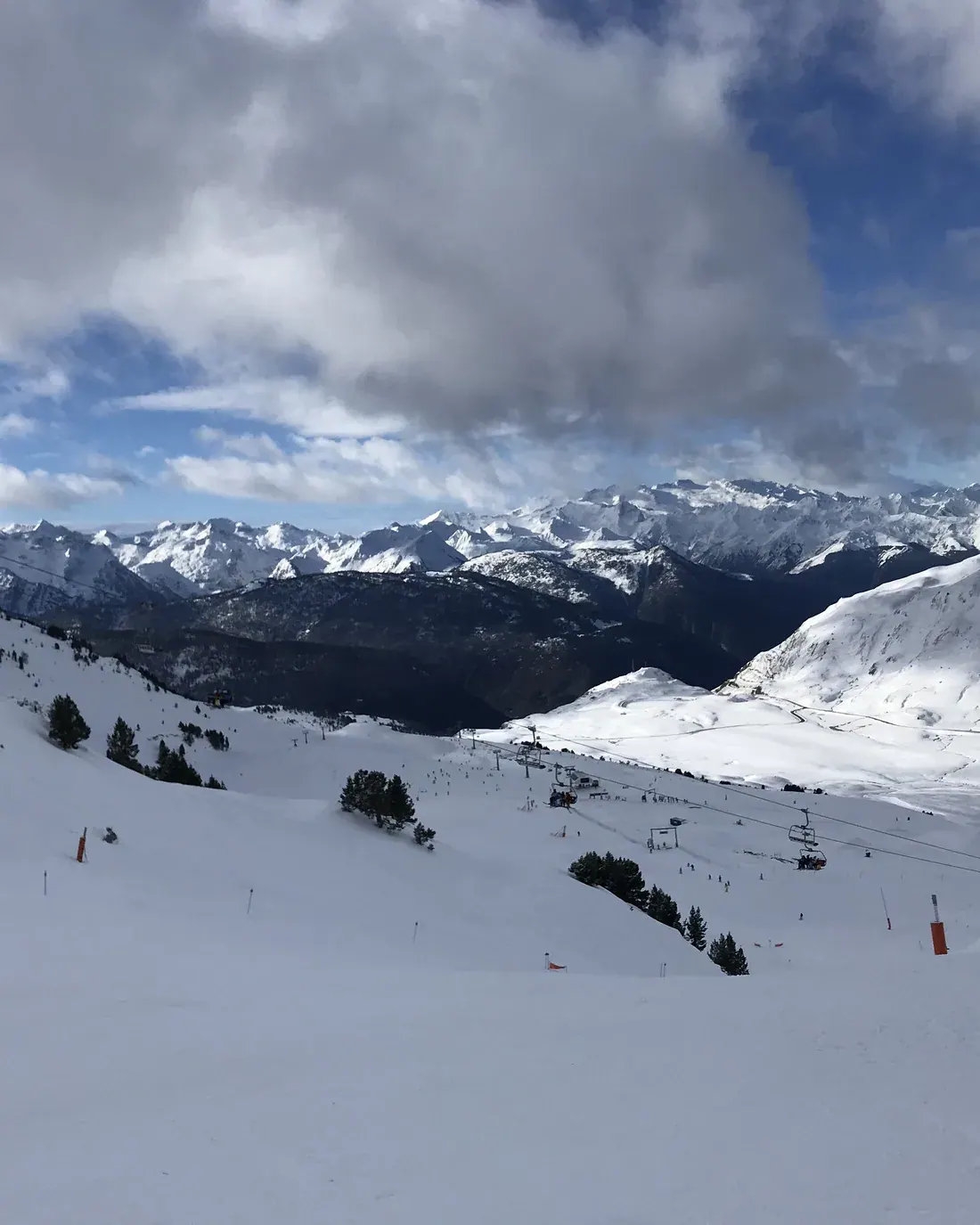
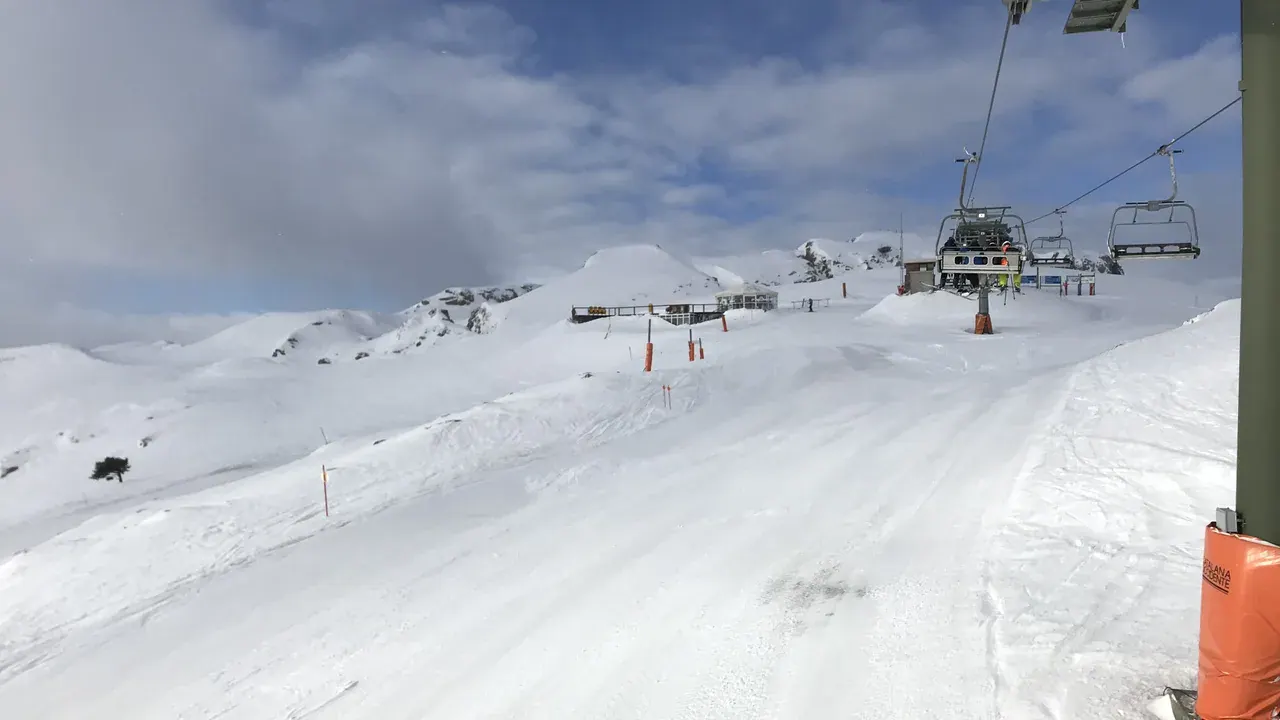
The reason to come: 169 km of groomed downhill pistes across the three linked sectors of Baqueira, Beret and Bonaigua, from wide beginner blues on the Beret plateau to steep blacks and long reds in the upper bowls, all on a single lift pass.
Ski & Snowboard Lessons
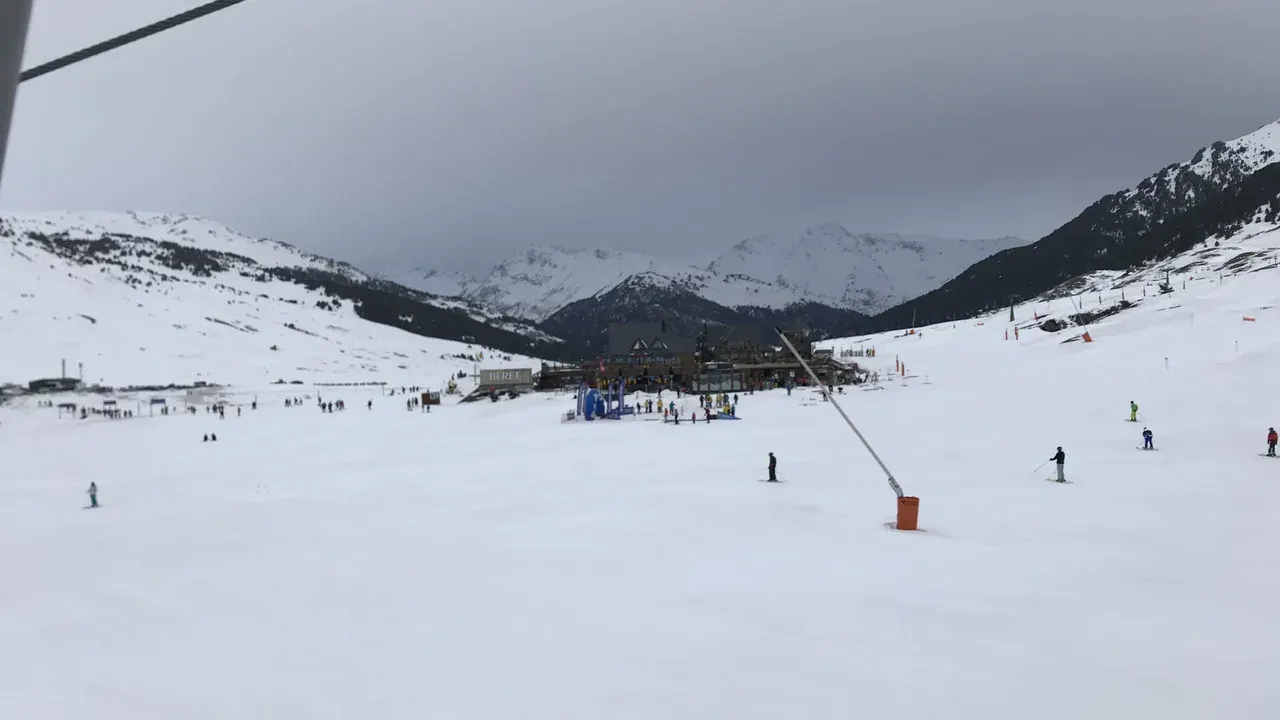
Baqueira Beret runs a large official ski and snowboard school with instruction for all ages and levels, from first-timers on the Beret nursery slopes to private coaching and off-piste guiding. Group and private lessons are bookable through the resort.
Off-Piste & Freeride
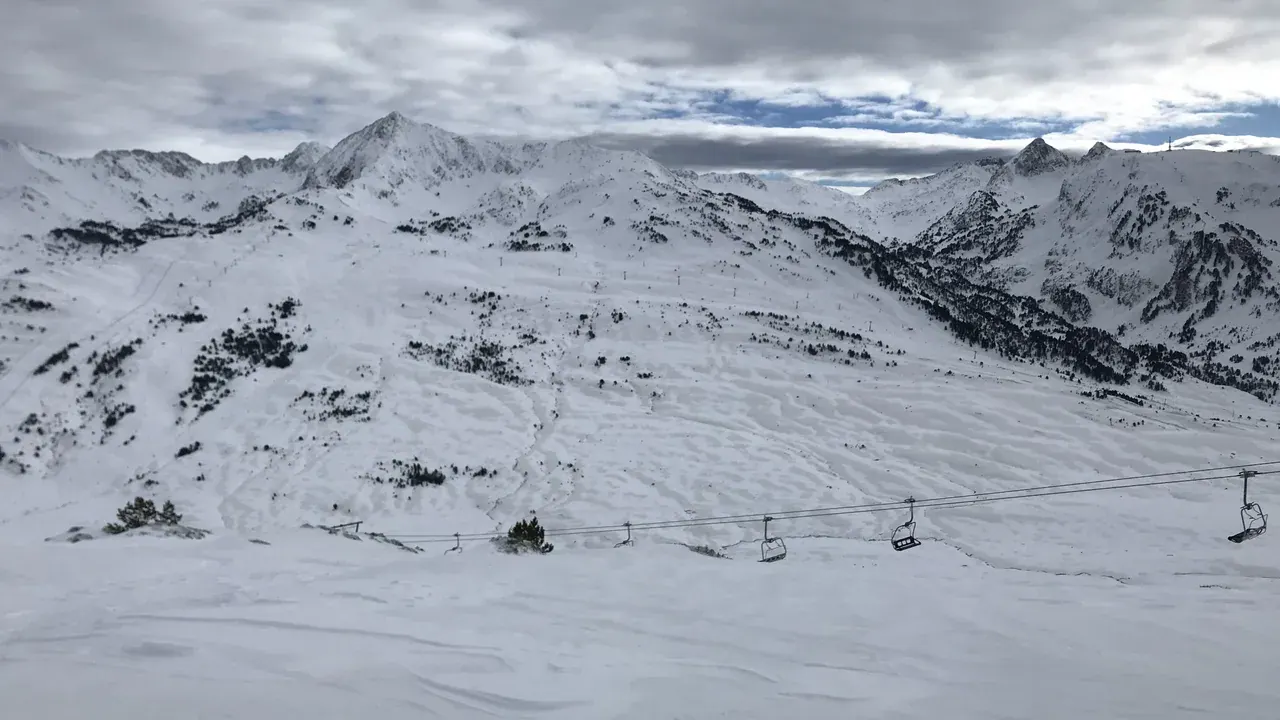
Baqueira has a reputation as one of the best freeride mountains in the Pyrenees — north-facing bowls, tree runs and long descents that hold powder thanks to the resort's snowier Atlantic-facing position. Go with a qualified guide and full avalanche safety kit.
 Featured
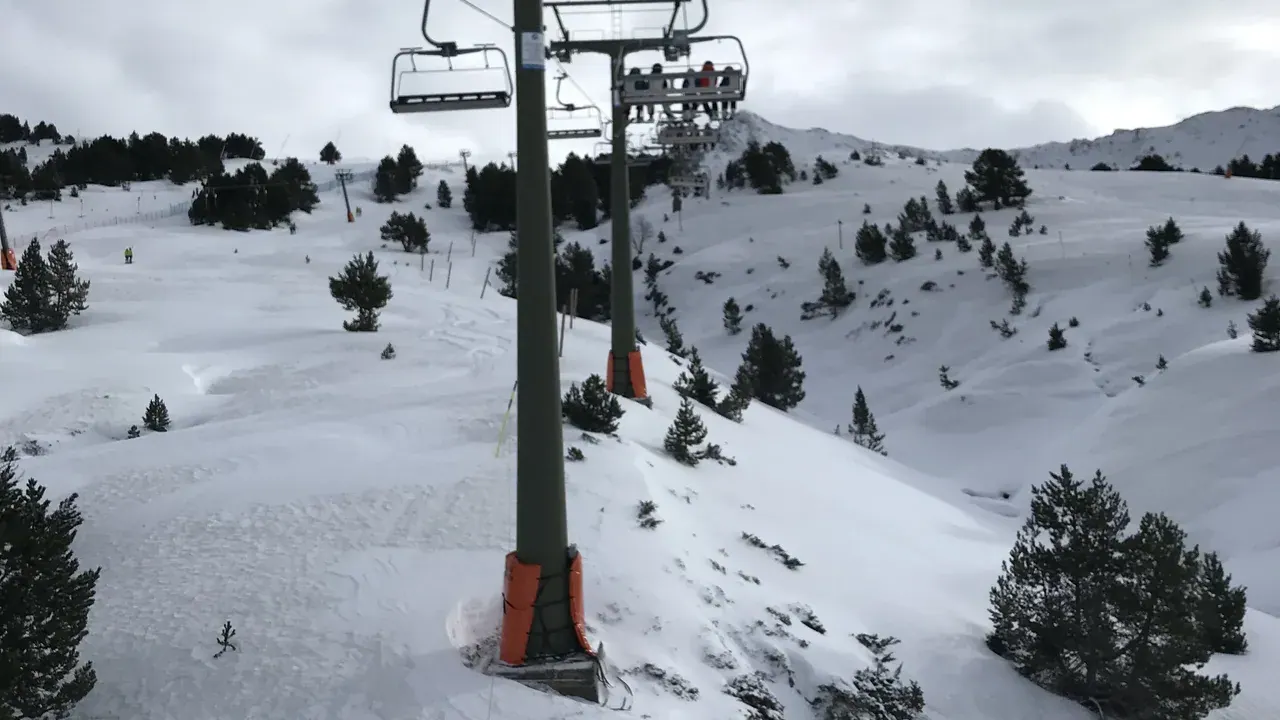
Baqueira Beret Ski Area
Baqueira Beret is one of Spain's largest ski resorts and its most prestigious — 169 km of pistes strung across three linked sectors (Baqueira, Beret and Bonaigua) high in the Val d'Aran, on the northern, Atlantic-facing side of the Pyrenees where the snow falls deepest and lasts longest.
Beret
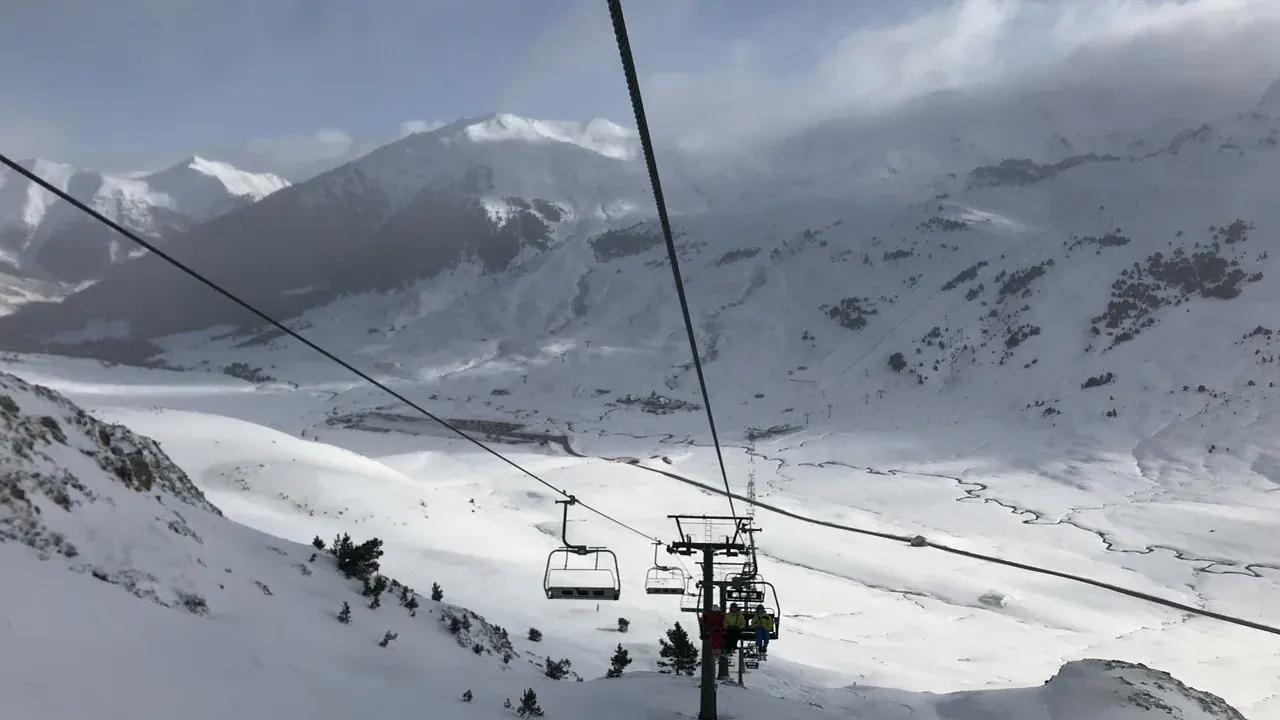
Beret is the high, open plateau above Baqueira at around 1,850 m — the resort's sunniest, most snow-sure sector, with wide gentle runs that make it the natural home of beginners, families and cross-country skiers.
Salardú
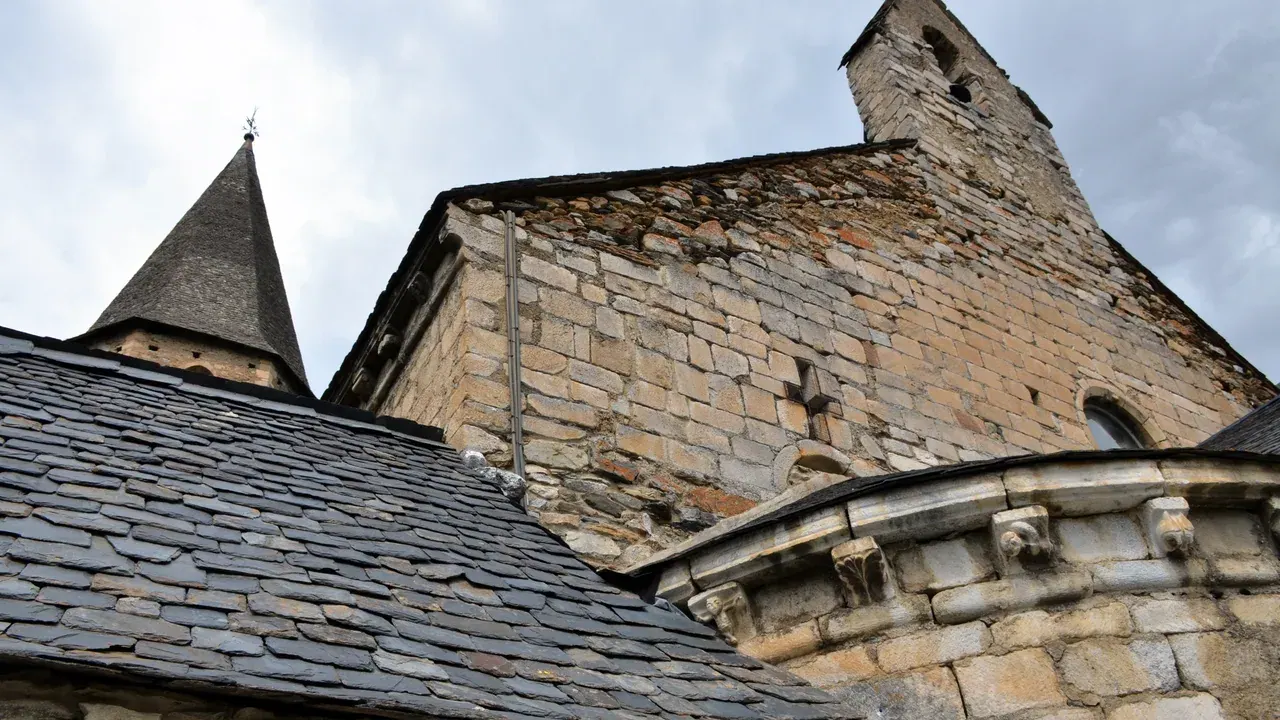
Salardú is the handsome medieval capital of the Naut Aran (Upper Aran), a cluster of grey-stone houses and slate roofs around one of the finest Romanesque churches in the Pyrenees — and the most characterful of the villages within easy reach of the Baqueira lifts.
Vielha
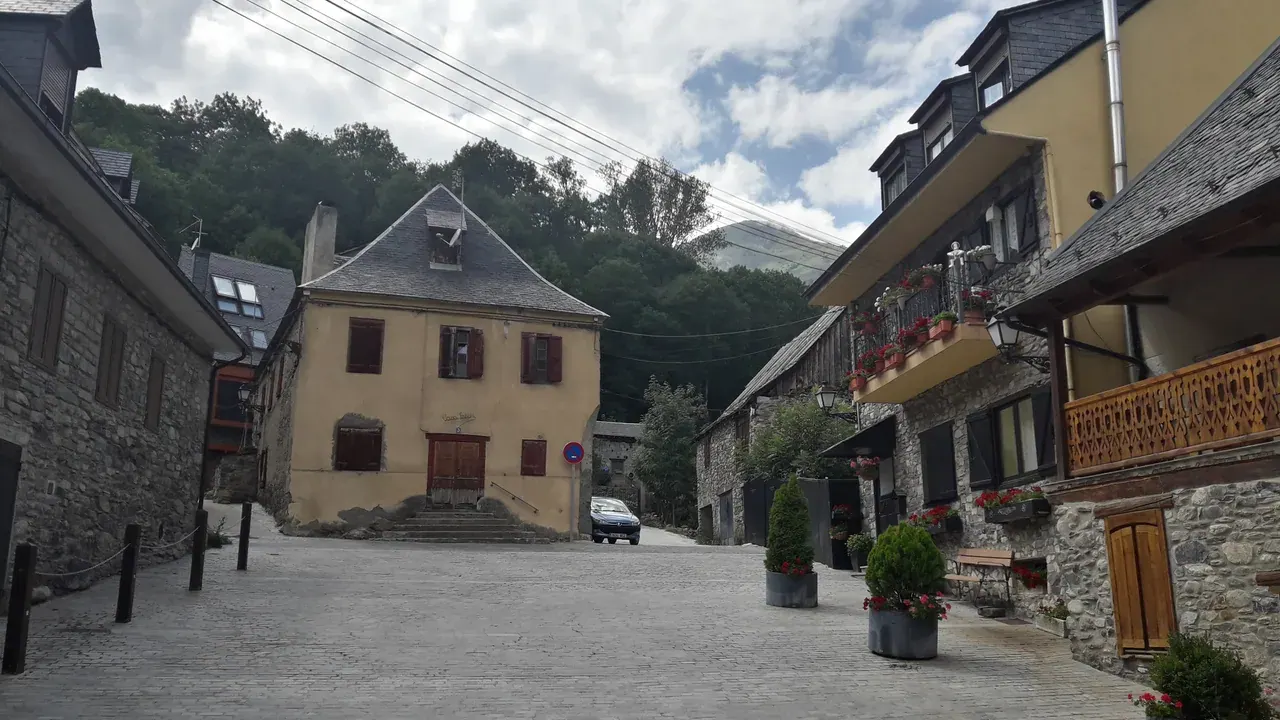
The capital of the Val d'Aran — a proper town with shops, restaurants, the Aran museum and the Romanesque church of Sant Miquéu, at the mouth of the year-round road tunnel.
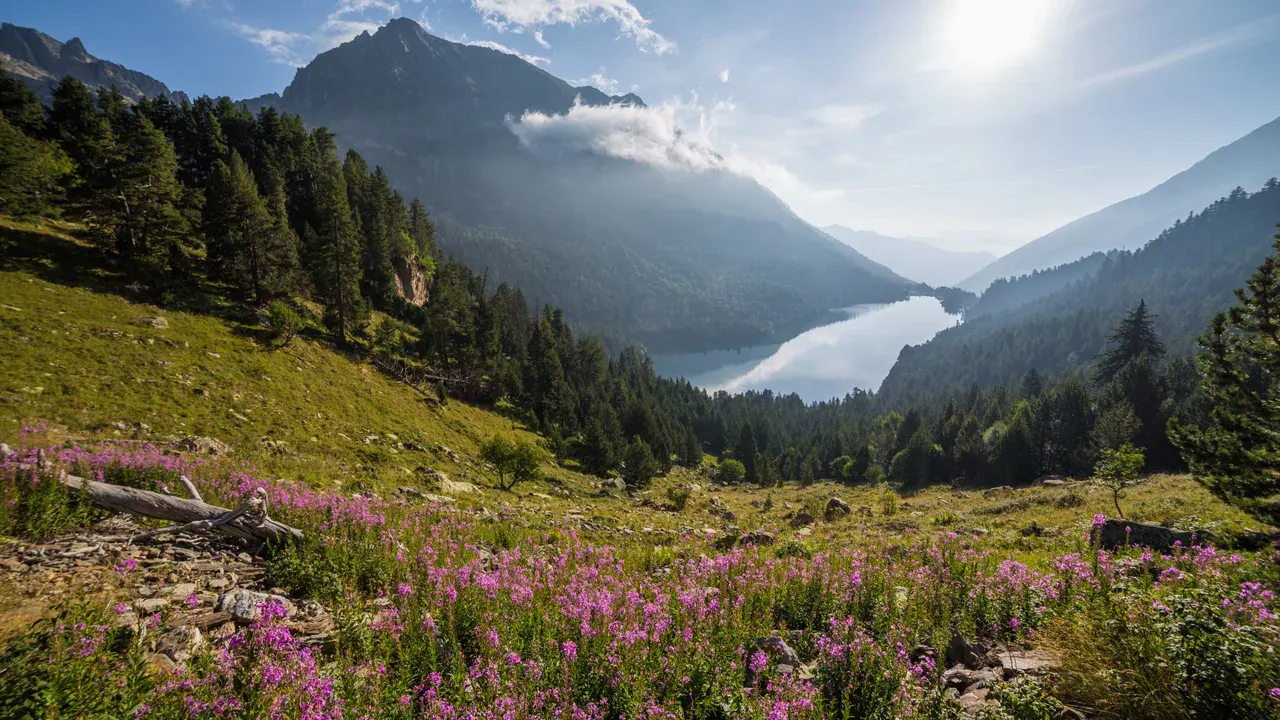
Aigüestortes National Park
Catalonia's only national park — a landscape of glacial lakes and granite peaks just over the ridge, reached in summer by trail and 4x4 taxi.
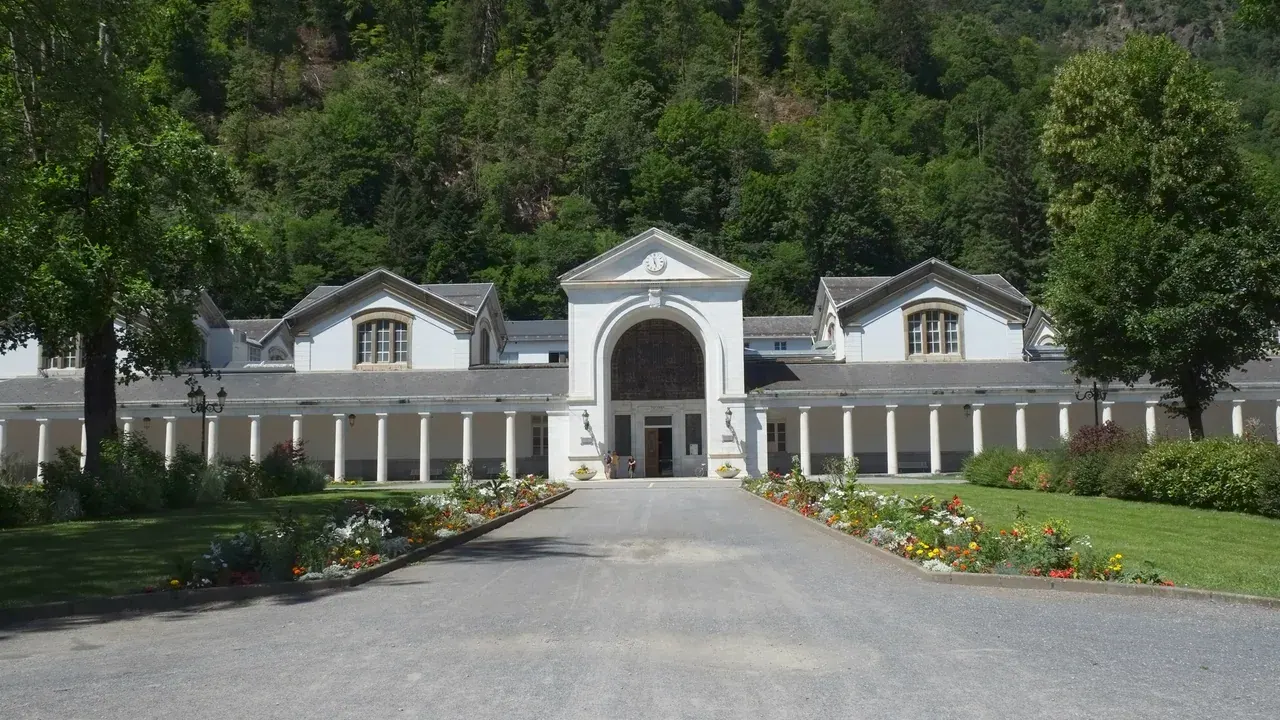
Bagnères-de-Luchon (France)
The elegant French spa town just over the border, reached via the lower Aran and the Portillon — thermal baths, cafés and a change of country for the day.
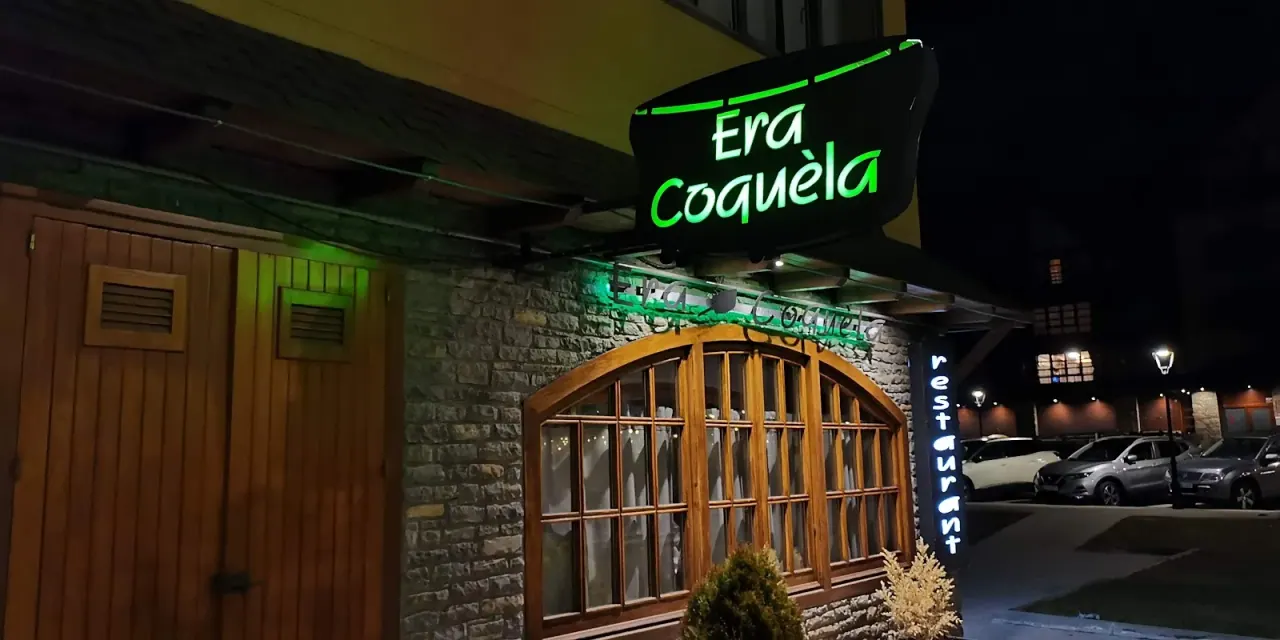
Era Coquèla
Aranese & contemporaryA long-running favourite on Avenguda Garona in Vielha, now in the Michelin Guide — an unpretentious kitchen whose contemporary cooking blends into Aranese classics like olla aranesa (the valley's stew) and snails a la llauna. Choose the à la carte or the Garona set menu; a 4.7 rating from nearly 2,000 diners makes it one of the valley's most consistently loved tables. It sits at number 29 on that avenue, with two dining rooms and a separate private space for a group, and traditional Aranese cooking is what the kitchen puts front and centre.
★ 4.7 · €€ · Vielha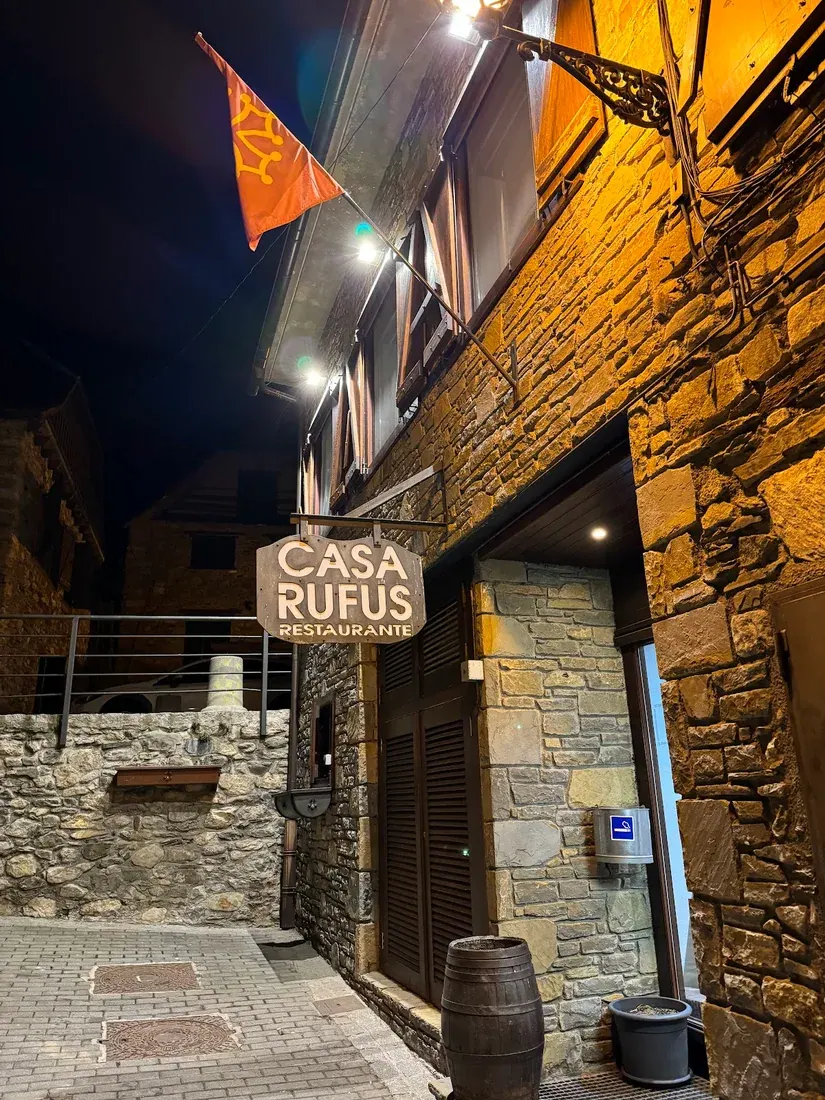
Casa Rufus
Traditional Aranese & grillA long-running traditional restaurant in the tiny stone village of Gessa, just below Salardú, open since 1986. The grill is the strong point — aged sirloin and entrecôte, braised oxtail, suckling pig and venison carpaccio — alongside seasonal Aranese cooking and game. Generous, honest mountain food at fair prices. It was founded by J. Antonio Rufaste, and the cooking has stayed traditional and home-style throughout, built on seasonal produce from the Val d'Aran — morels and ceps when the mushrooms are up, braises and game through the colder months.
★ 4.7 · €€€ · Gessa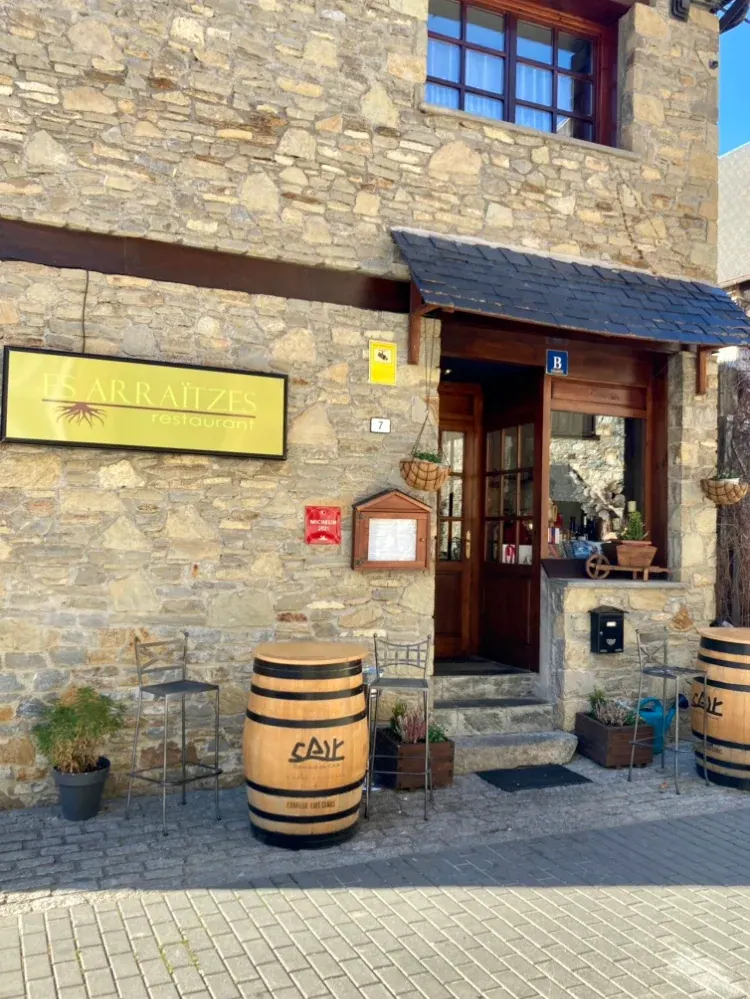
Es Arraïtzes
Aranese-Peruvian fusionA small, distinctive restaurant on the square in Garòs where chef César Mory blends the traditional cooking of the Val d'Aran with the flavours of his native Peru — ceviche and tiraditos alongside mountain produce and local meats. Listed in the Michelin Guide, it builds its menu around productos de proximidad (nearby, seasonal ingredients) and is one of the valley's most original kitchens. Mory is Peruvian and of Amazonian origin, and he opened the restaurant on the Plaça Major in December 2014. Unlike much of the valley it stays open all year rather than only through the ski season, which makes it one of the few serious tables to aim for outside winter.
★ 4.7 · €€€ · Garòs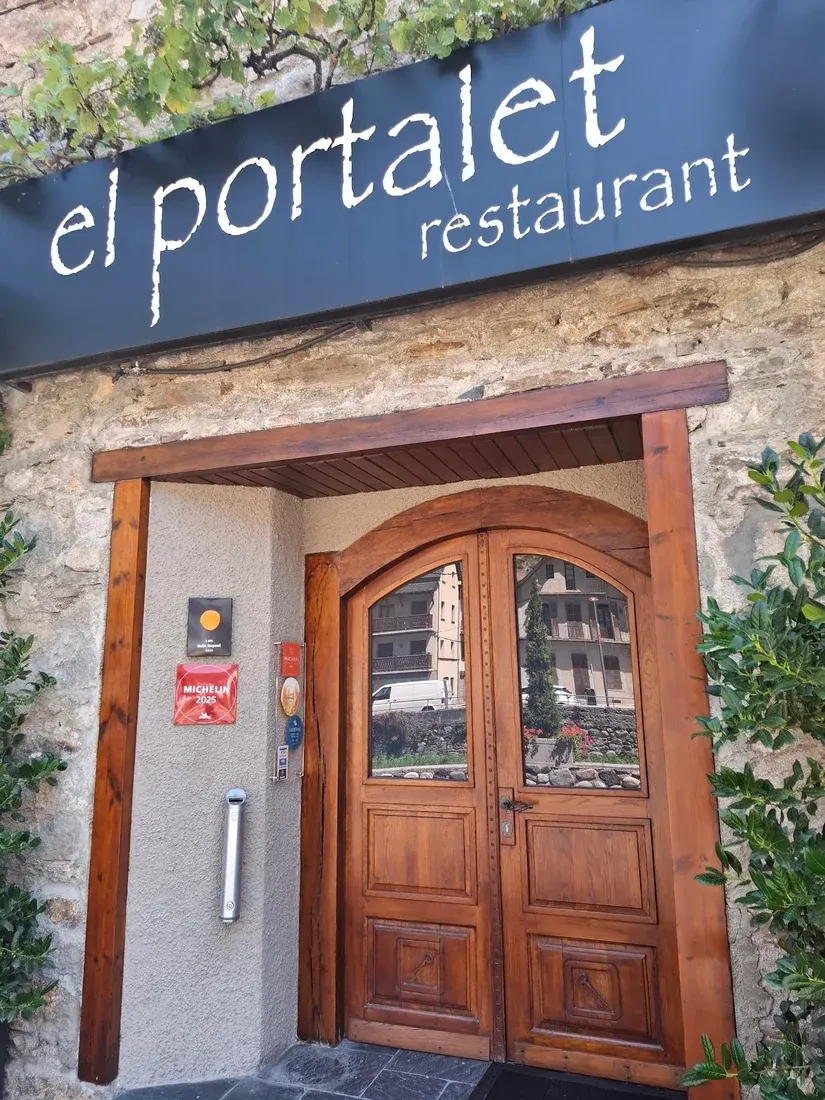
El Portalet
Modern Aranese / creativeA family restaurant by the Garona in Bossòst, at the western end of the valley — open since 1984 and reinvented as a creative kitchen built around seasonal mountain produce, offered à la carte or as tasting menus. Awarded a Repsol Sol and recommended in the Michelin Guide, it's one of the Val d'Aran's most refined tables away from the ski villages. Josep Gregorio runs the kitchen, and the house — on Carrèr Sant Jaume in the middle of the village — has passed from parents to children since it opened.
★ 4.7 · €€€€ · Bossòst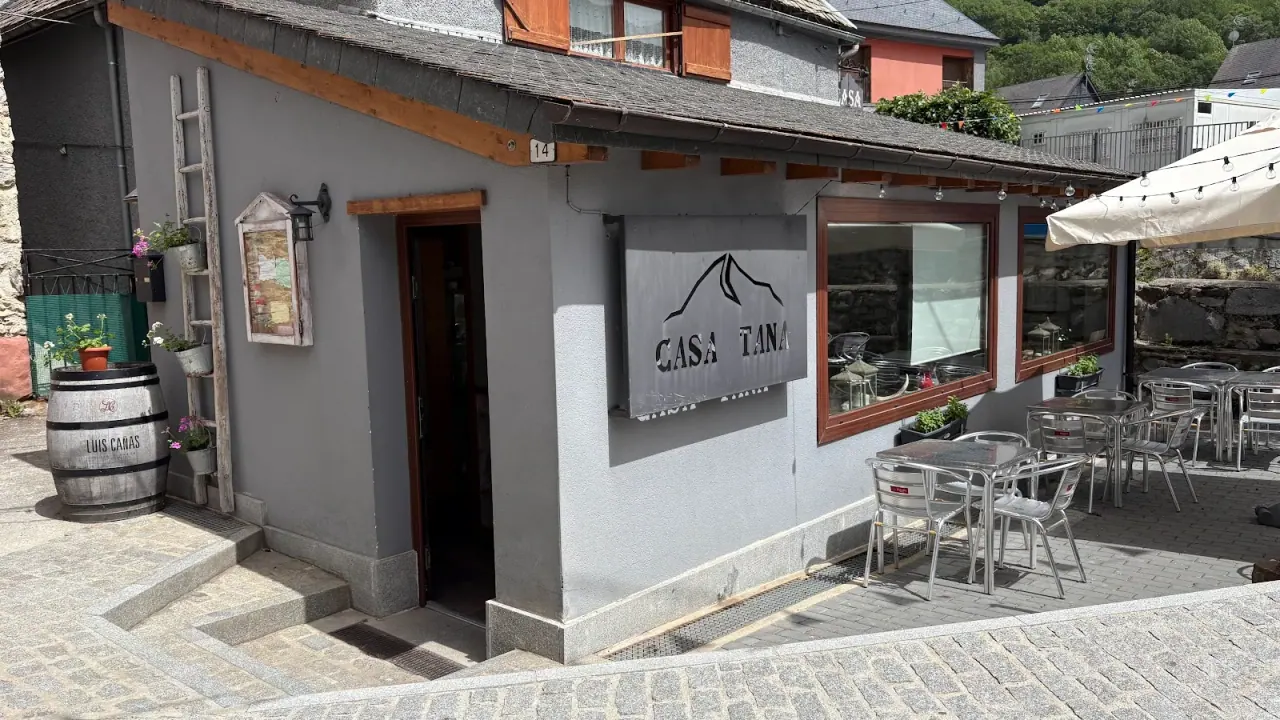
Casa Tana
Traditional Aranese & grillA relaxed, good-value spot on the main street of Arties, marked by its mountain-logo sign and a sunny terrace, known for generous grilled meats — entrecôte and chuletón over the coals — alongside carpaccio and hearty village cooking. A reliable, unfussy choice after a day on the slopes.
★ 4.7 · €€ · ArtiesAfter Dark
Baqueira’s nights are après first — slope-side bars the moment the lifts close, then hotel bars and long village dinners in Salardú and Arties.
Nightlife guide →Slope-side après
The bars at the Baqueira base fill up the moment the lifts close, from beers to DJ sets in ski boots.
Hotel bars & spas
The five-stars keep smart cocktail bars and spas going through the evening for a slower night.
Village dinners
Salardú, Arties and the valley villages trade clubbing for long, excellent Pyrenean dinners.
Hotel Lacreu
A long-established, family-run hotel in the stone village of Salardú — the closest characterful village to the Baqueira lifts. An outdoor pool and garden look straight out over the Aran valley to the peaks, and the ski buses run up to the base through the season — a good-value village base with real mountain views.
Eurostars La Pleta
A five-star resort hotel at Baqueira with a large wellness area, indoor and outdoor pools and well-regarded dining — a polished, spa-focused base a short shuttle or walk from the lifts.
Meliá de Tredós
A Meliá-run mountain hotel in Aranese stone-and-slate style on the road up to Baqueira, in the small village of Tredòs. A comfortable four-star base a short drive or ski-bus ride from the lifts, with a restaurant and terrace and the valley's villages on the doorstep.
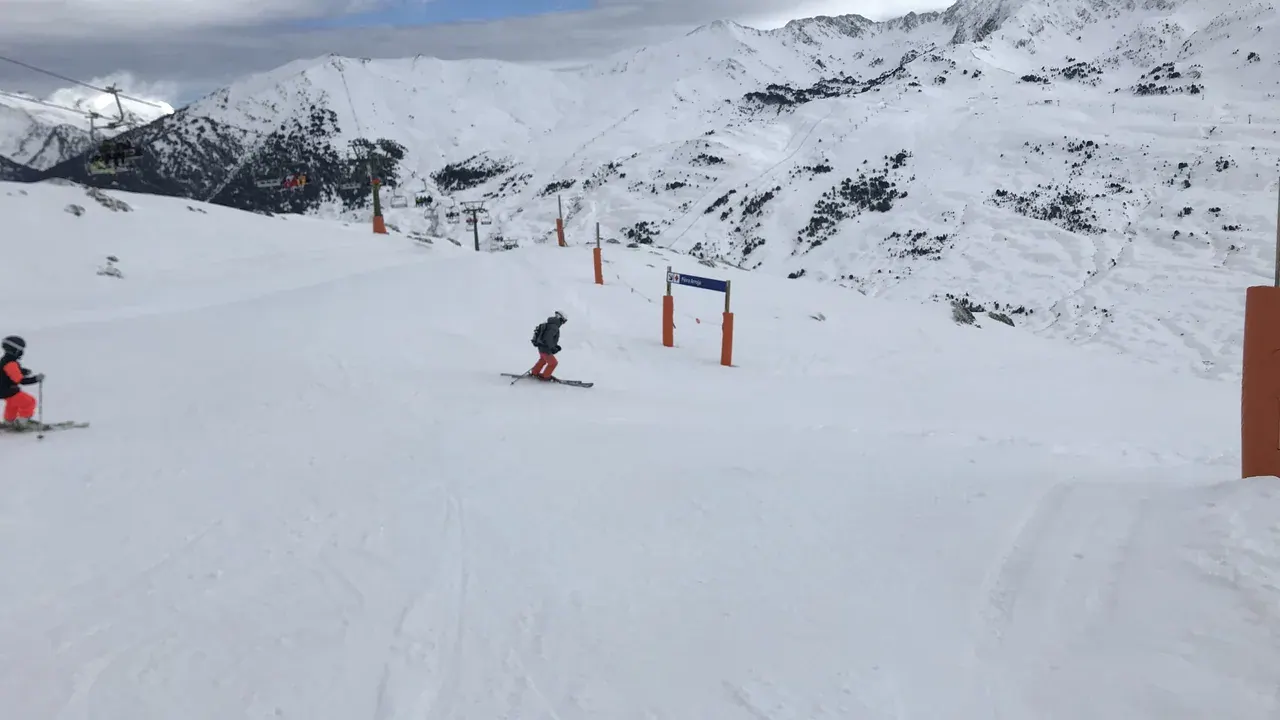
Is Baqueira Beret Worth Visiting? An Honest Guide
Is Baqueira Beret worth it? An honest look at one of Spain's biggest ski resorts — its Pyrenees snow, 169 km of pistes, and who it suits.
5 min read
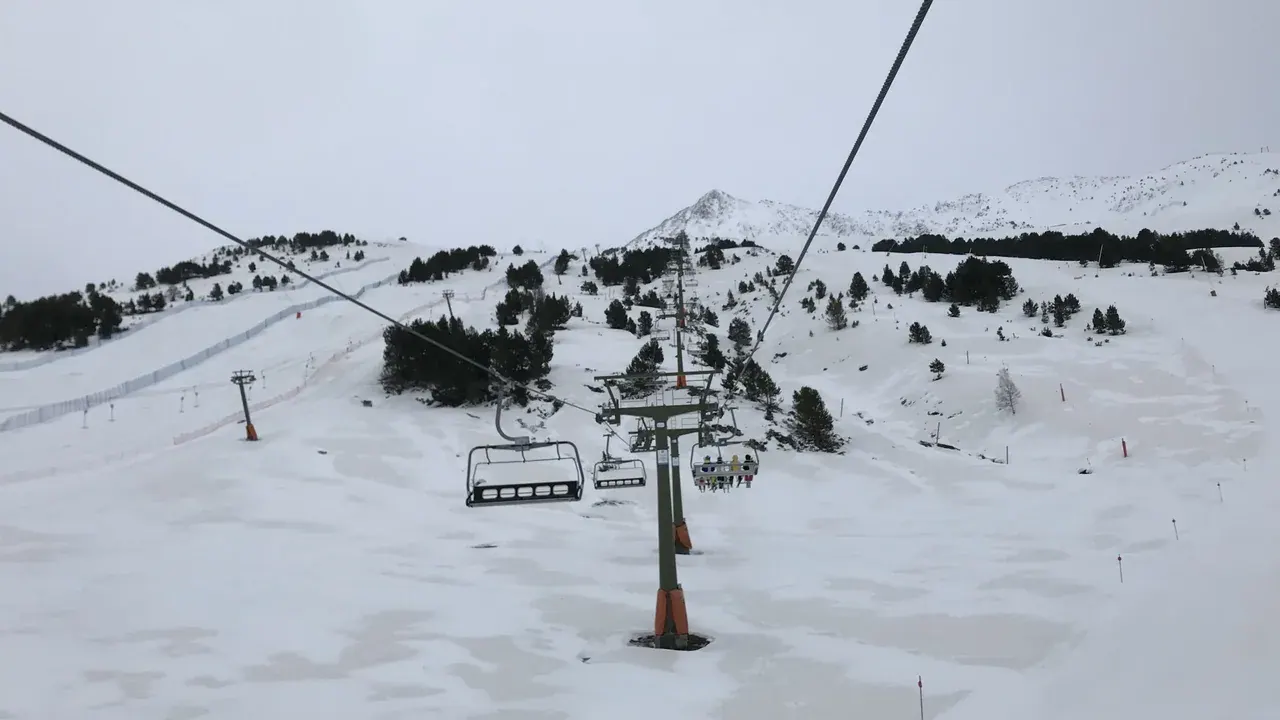
Baqueira Beret Lift Pass Prices 2026–27: What's Confirmed
Baqueira Beret lift pass prices — the confirmed 2026-27 season-pass rates, the last published day rate, five seasons of price history, and how to pay less.
6 min read
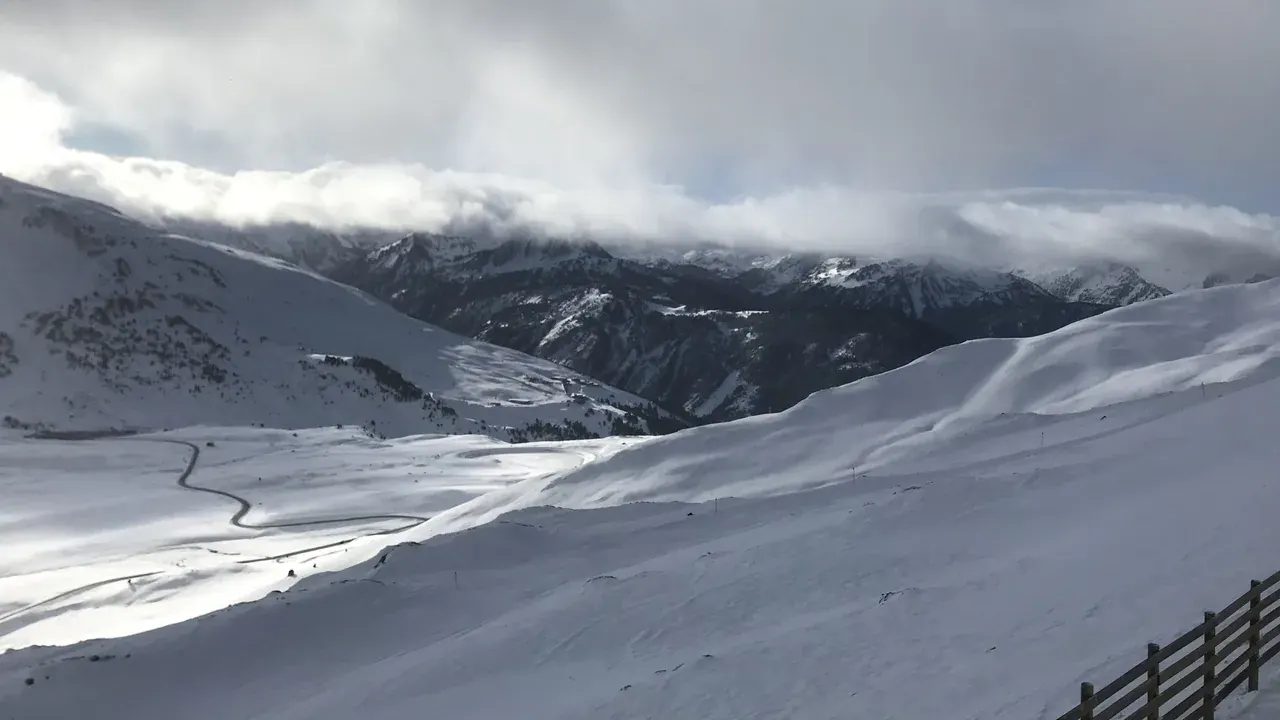
Getting to Baqueira Beret: Airports & Transfers
How to get to Baqueira Beret — the nearest airports at Toulouse, Barcelona and Lleida, the year-round Vielha tunnel, driving, buses and seasonal ski transfers.
6 min read
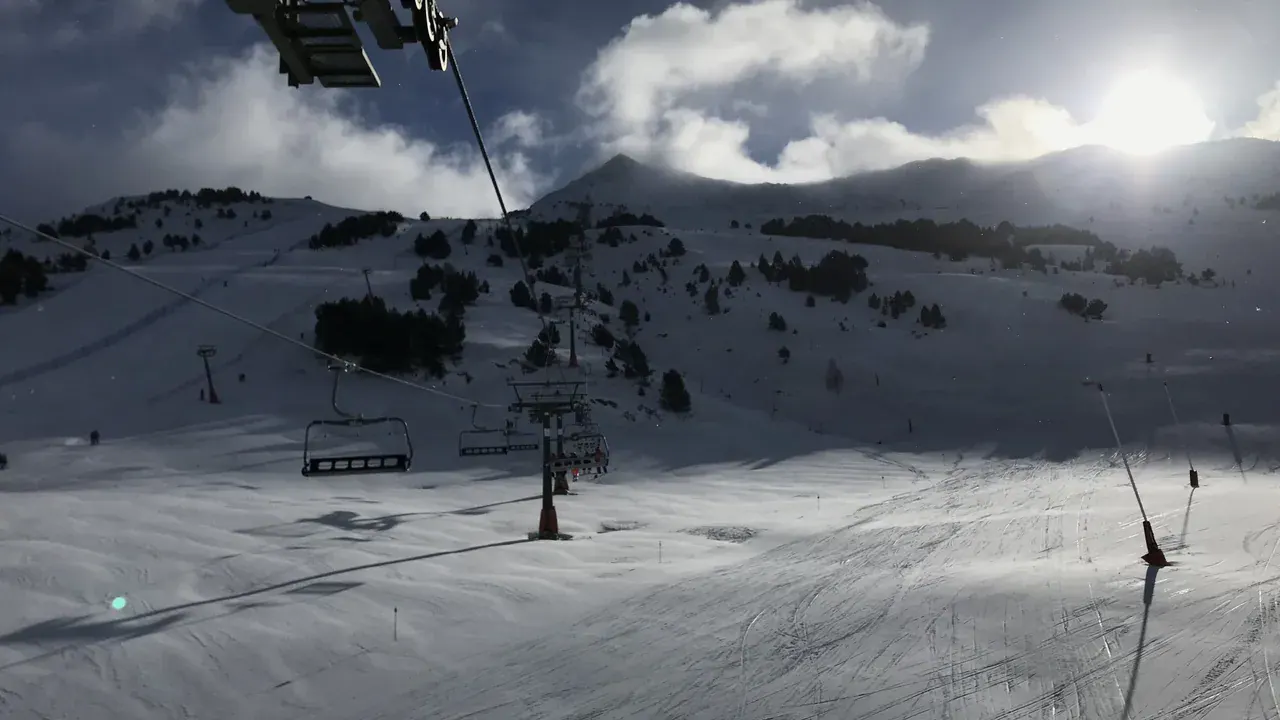
Best Time to Ski Baqueira Beret: Month by Month
When to ski Baqueira Beret — the November-to-April season, the most snow-sure months, the busy peak weeks to avoid, and spring skiing in the Val d'Aran.
5 min read
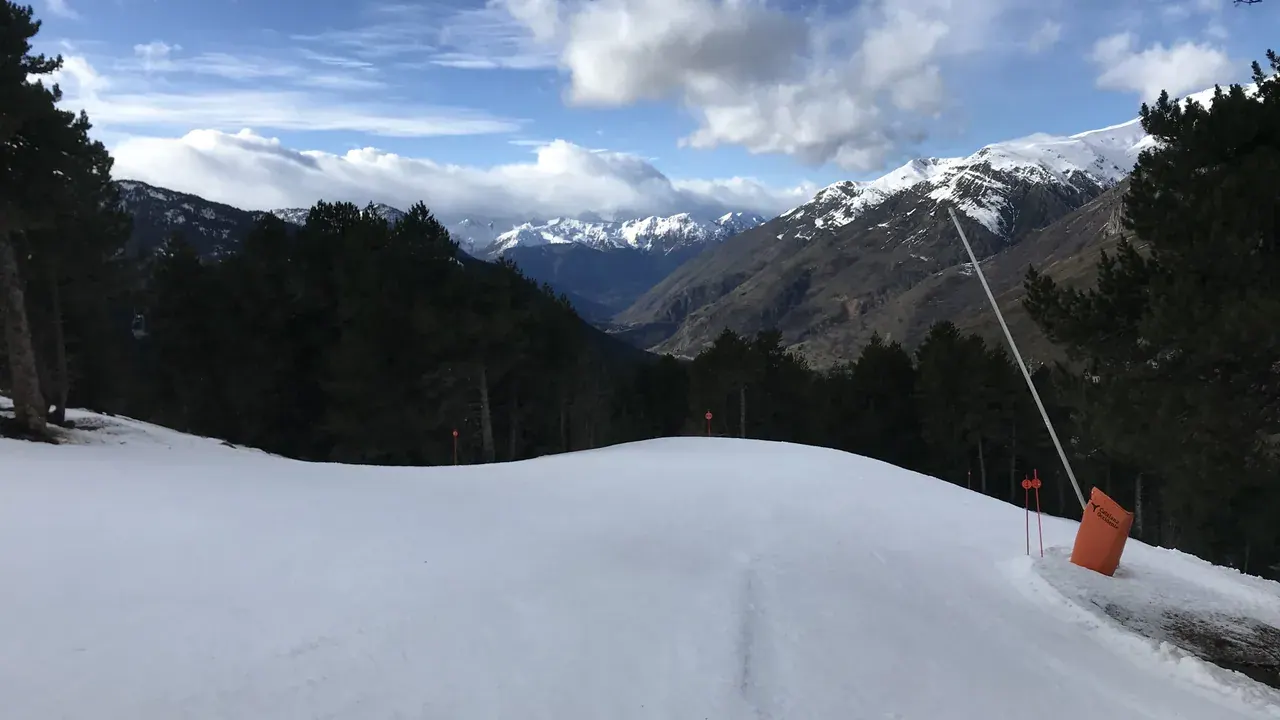
Baqueira Beret Piste Guide: The Ski Area Explained
Baqueira Beret's ski area — 169 km of pistes across the Baqueira, Beret and Bonaigua sectors, the run breakdown, the lifts and where each level skis.
4 min read
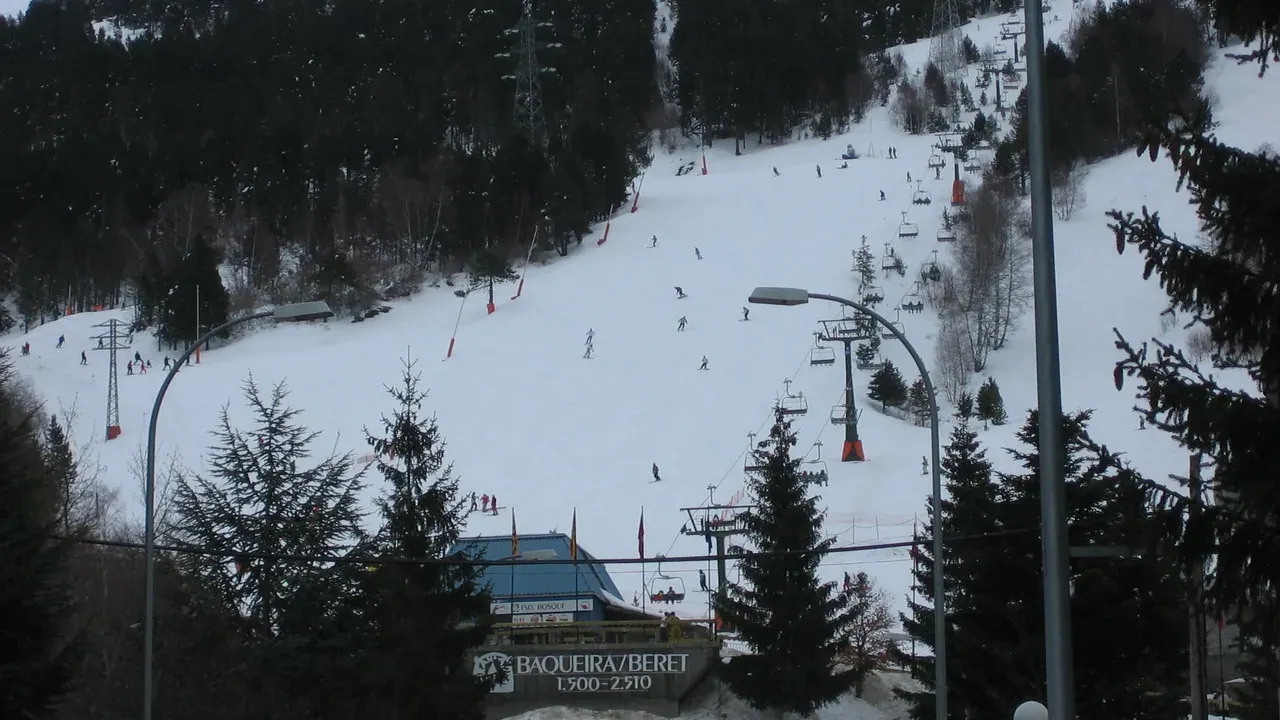
Where to Stay at Baqueira Beret: Base or Villages
Where to stay at Baqueira Beret — ski-in/ski-out at the Baqueira 1500 base, the villages of Salardú and Arties, or the capital Vielha, and who each suits.
5 min read
Before You Go
The questions every first-timer asks us.
Yes — it's one of Spain's largest ski resorts and its most prestigious, with 169 km of pistes across three sectors on the snowier, Atlantic-facing side of the Pyrenees, plus the beautiful medieval villages of the Val d'Aran. It suits everyone from families and beginners to off-piste skiers.
169 km of pistes — 130 marked runs across all levels served by 36 lifts, from 1,500 m up to 2,610 m, across the linked Baqueira, Beret and Bonaigua sectors. It is one of the biggest ski resorts in Spain.
The nearest airports are Toulouse (≈2.5 h) and Barcelona (≈3.5–4 h), with Lleida-Alguaire closer but smaller. A car is the easiest way in via the year-round Vielha tunnel; buses run from Barcelona to Vielha, then ski buses up to the lifts.
Usually late November to April. Its position on the northern side of the Pyrenees makes it one of the more snow-sure resorts in the range; January to March is the most reliable window, with spring skiing into April.
For ski-in/ski-out, stay at the Baqueira 1500 base (Hotel Val de Neu, Eurostars Royal Tanau, Montarto). For more of a town, base in Vielha or a village like Salardú or Arties and ride the ski buses up.
Being Spain's top ski resort — reliable Pyrenees snow, 169 km of pistes, celebrated off-piste, and a long association with the Spanish royal family — set in the Val d'Aran, a valley with its own Aranese (Occitan) language and Romanesque villages.
Start here
First time at Baqueira?
Three reads that answer most planning questions before you book anything.