Yes — Baqueira Beret is safe, and so is the Val d'Aran around it. This is a calm, prosperous corner of the Catalan Pyrenees with very low crime, and skiing on the resort's patrolled, groomed pistes is as safe as at any major European resort. The dangers here aren't people; they're the mountains. Avalanches beyond the marked runs, a high pass that snows shut, and Atlantic weather that turns fast are what you actually plan around. Here's an honest rundown.
On the slopes
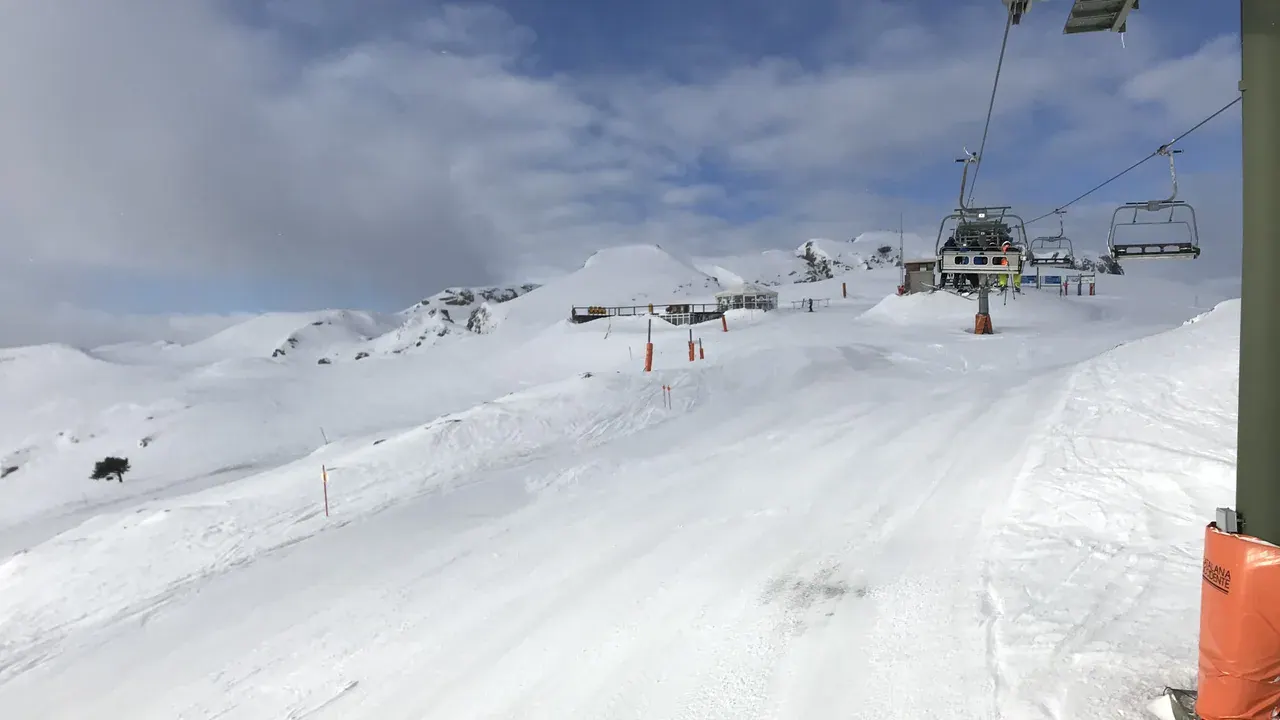
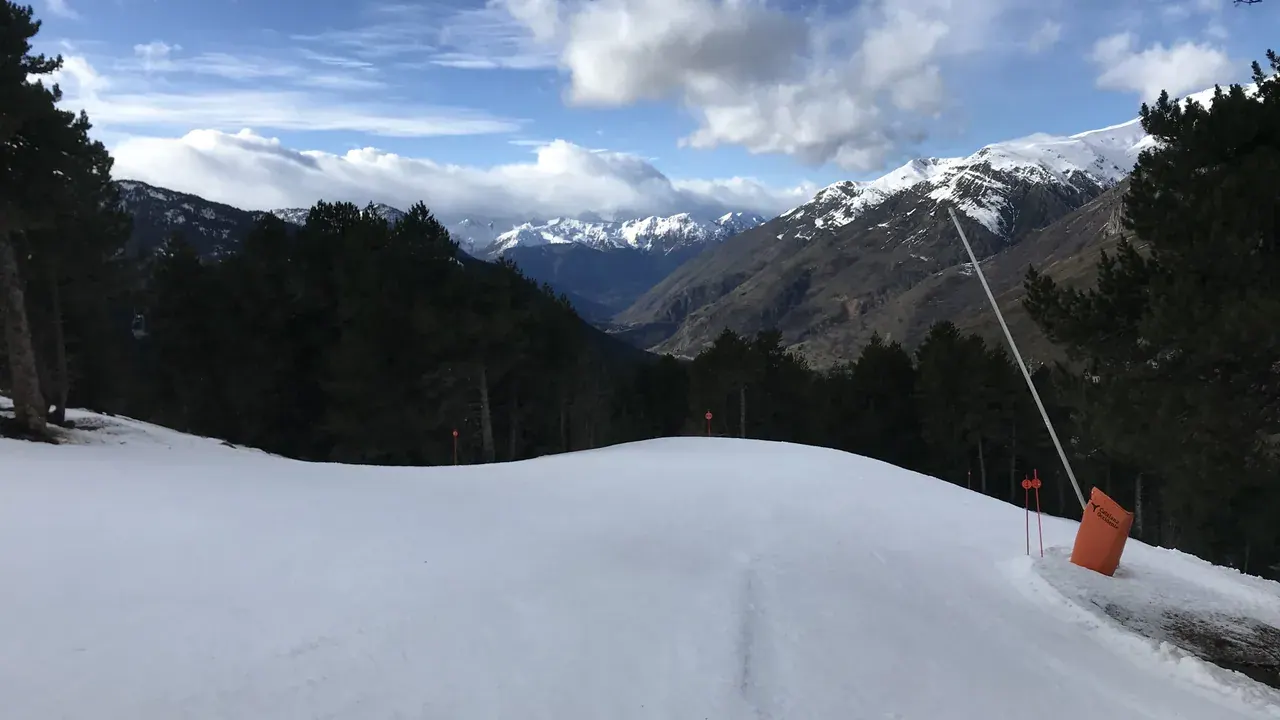
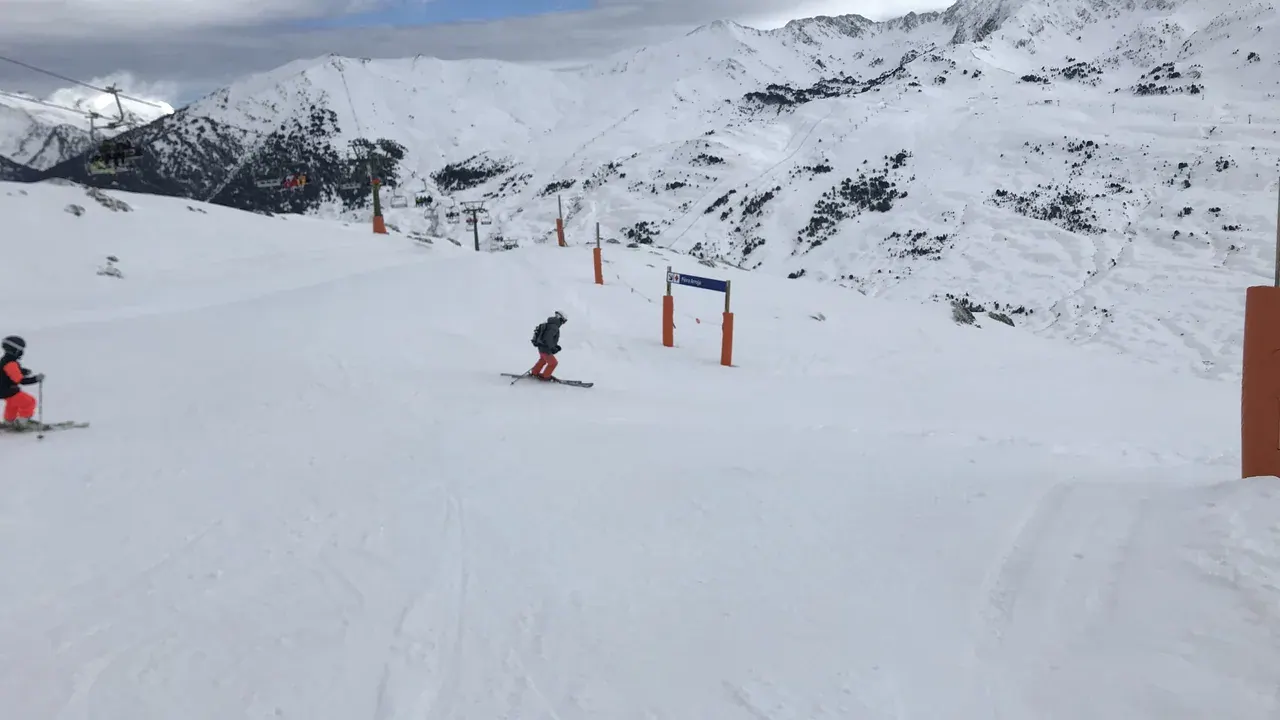
Baqueira's 169 km of pistes are patrolled, marked and avalanche-managed by ski patrol, and injuries follow the usual ski pattern: most are avoidable slips and collisions, worst on crowded afternoons when legs are tired. Ski within your level, take a lesson if you're new (see Baqueira for beginners), keep left-right awareness on busy runs, and the on-piste risk is low and ordinary.
Off-piste is a different world. Baqueira is one of Spain's best freeride resorts, but the moment you cross the rope you're in genuine avalanche terrain. Go with a certified guide, carry a transceiver, shovel and probe, and read the daily avalanche bulletin before you drop in.
The drive
The most real hazard for many visitors is the road, not the skiing. Baqueira has no airport, so you arrive over the mountains — and how you come matters in winter:
- Port de la Bonaigua (C-28, from the east) is a high, exposed pass that gets heavy Atlantic snowfall. It closes or requires snow chains after storms, so never count on it in bad weather.
- The Vielha tunnel (N-230, from the west/Lleida) stays open year-round and is the reliable all-weather route into the valley.
Carry chains in winter, check the road status before setting off, drive to the conditions, and avoid the passes at night in a storm. More in getting to Baqueira.
Weather and altitude
Baqueira's snow comes from Atlantic storms, which is why the snow is so reliable — and why the weather can shut the top lifts and reduce visibility to a whiteout within hours. Check the forecast, keep to lower, sheltered runs when it closes in, and build a spare day into the trip so a storm day doesn't cost you the holiday.
Altitude isn't a concern. The base sits at around 1,500 m and the highest lifts reach near 2,600 m — below the 2,500–3,000 m band where altitude sickness usually starts, and you sleep low in the valley. Cold and sun are the real exposure risks: dress in layers, and don't underestimate the glare off fresh snow. Our what to pack guide has the full kit list.
Crime, families and general safety
Crime against visitors in the Val d'Aran is rare — this is a quiet, well-off valley of stone villages where the usual small-town caution is enough. It's a genuinely good place to bring children: the resort has ski schools, gentle beginner areas and a family focus (see Baqueira with kids). Standard mountain sense covers the rest — travel insurance that includes skiing and mountain rescue, the European emergency number 112, and sun cream even in cloud.
A quick safety checklist
- Insurance that covers skiing, off-piste if you'll ski it, and mountain rescue.
- Snow chains in the car, and a check of road status before every drive in winter.
- Never off-piste alone or ungeared — guide, transceiver, shovel, probe, avalanche bulletin.
- Layer up and pack for cold, wind and glare; the sun is strong at altitude.
- Build in a weather buffer day so a storm doesn't wreck the trip.
Get these right and Baqueira is a safe, rewarding mountain trip. For the fuller picture, see the best time to ski and snow conditions guides.